






TABLE OF CONTENTS
SUMMARY
"I've spent my entire professional career finding, discovering and then launching incredibly talented people into the entertainment business... I'm kind of stunned because I've never actually seen anything quite like this before.” — Anne-Marie Mackay
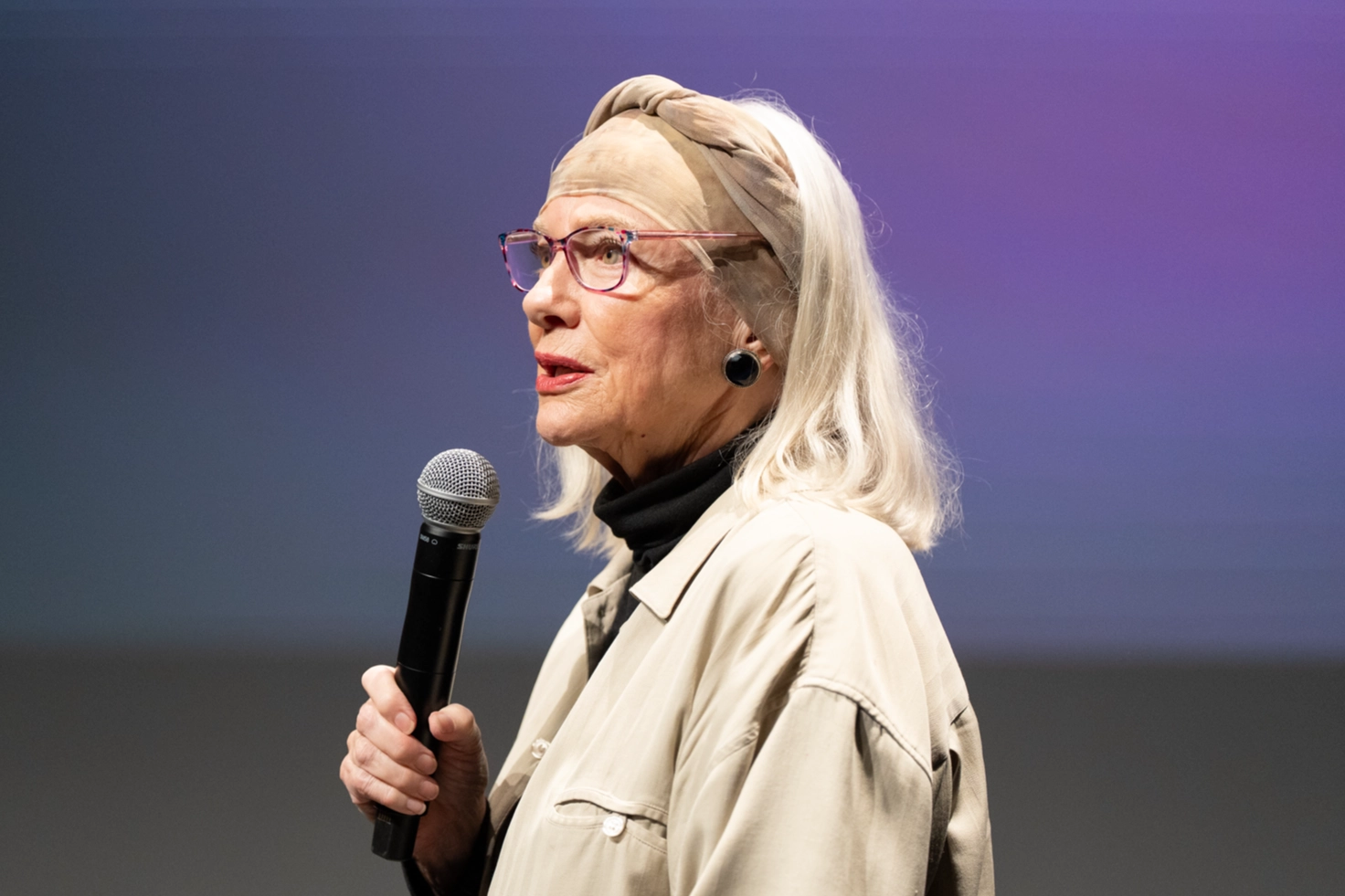
Anne-Marie Mackay at the showcase of The Month Between April and May. As founding member of Propaganda Films, Palomar Pictures, Riddle Studios and Wondros, she launched the careers of notable directors David Fincher, Michael Bay, Michel Gondry, Sophia Coppola and others.
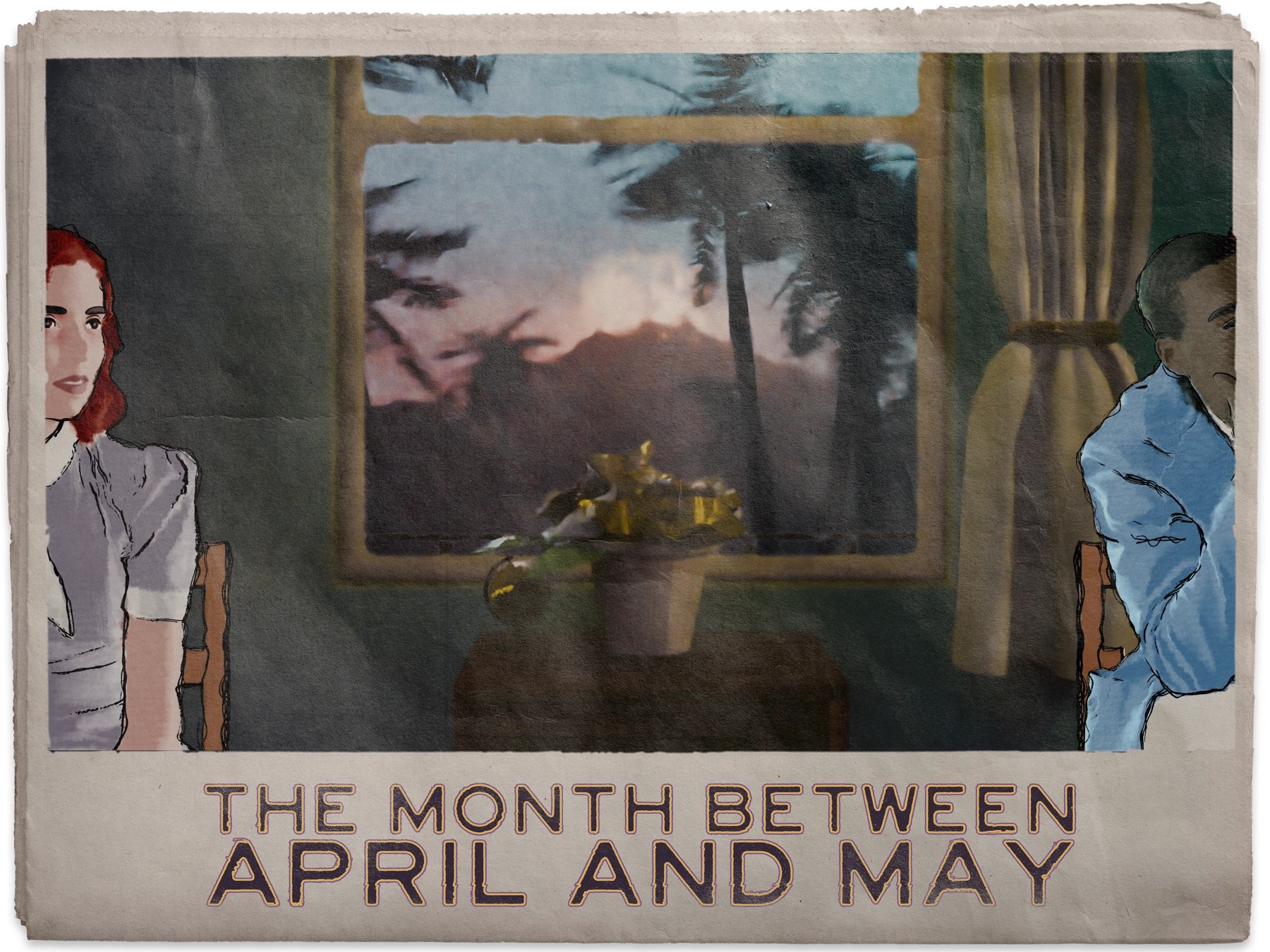
A feature length rotoscope animation.
Step into an animated character drama
through a new rotoscope technique
that brings actors into
a
painterly world.
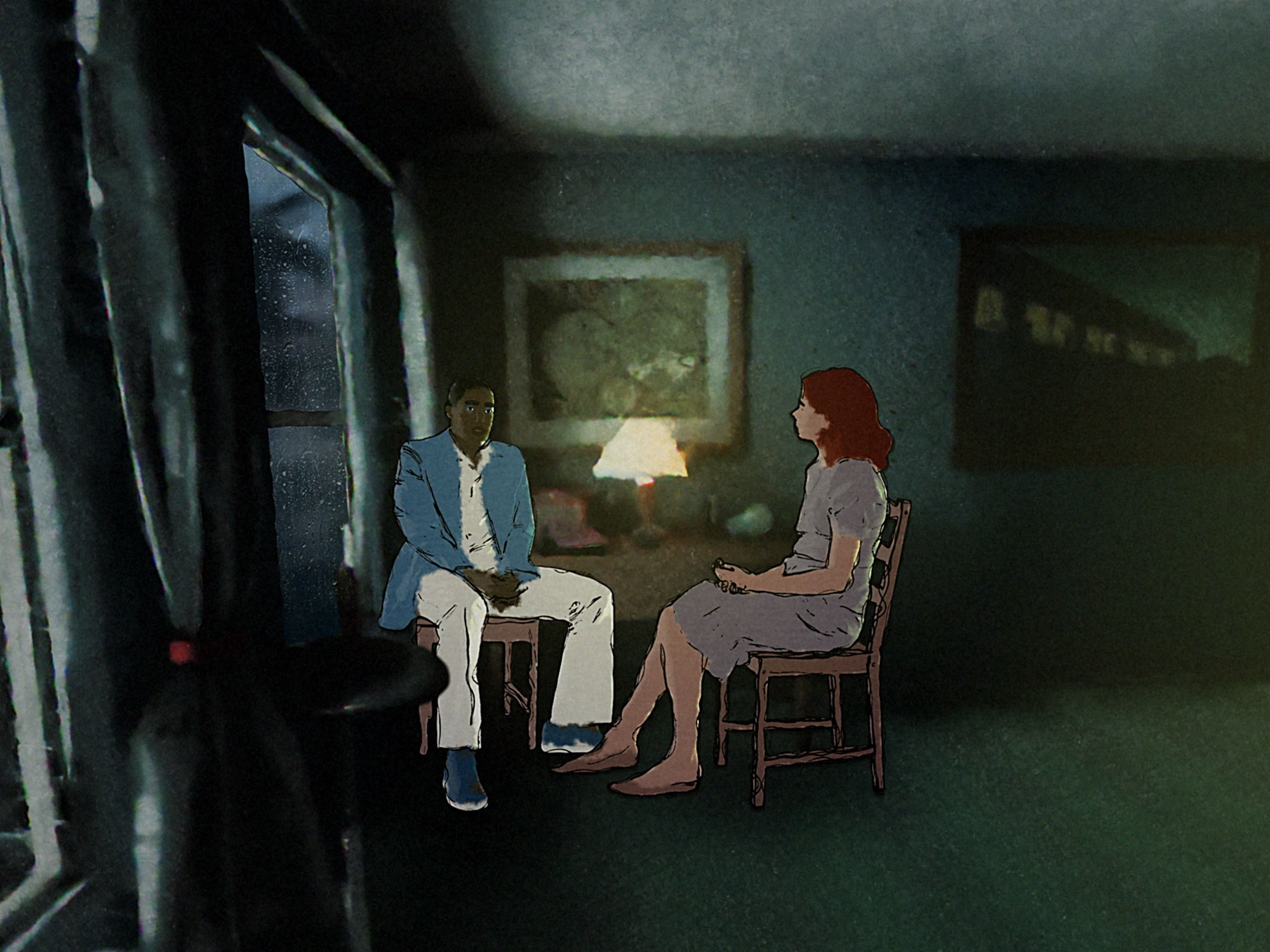
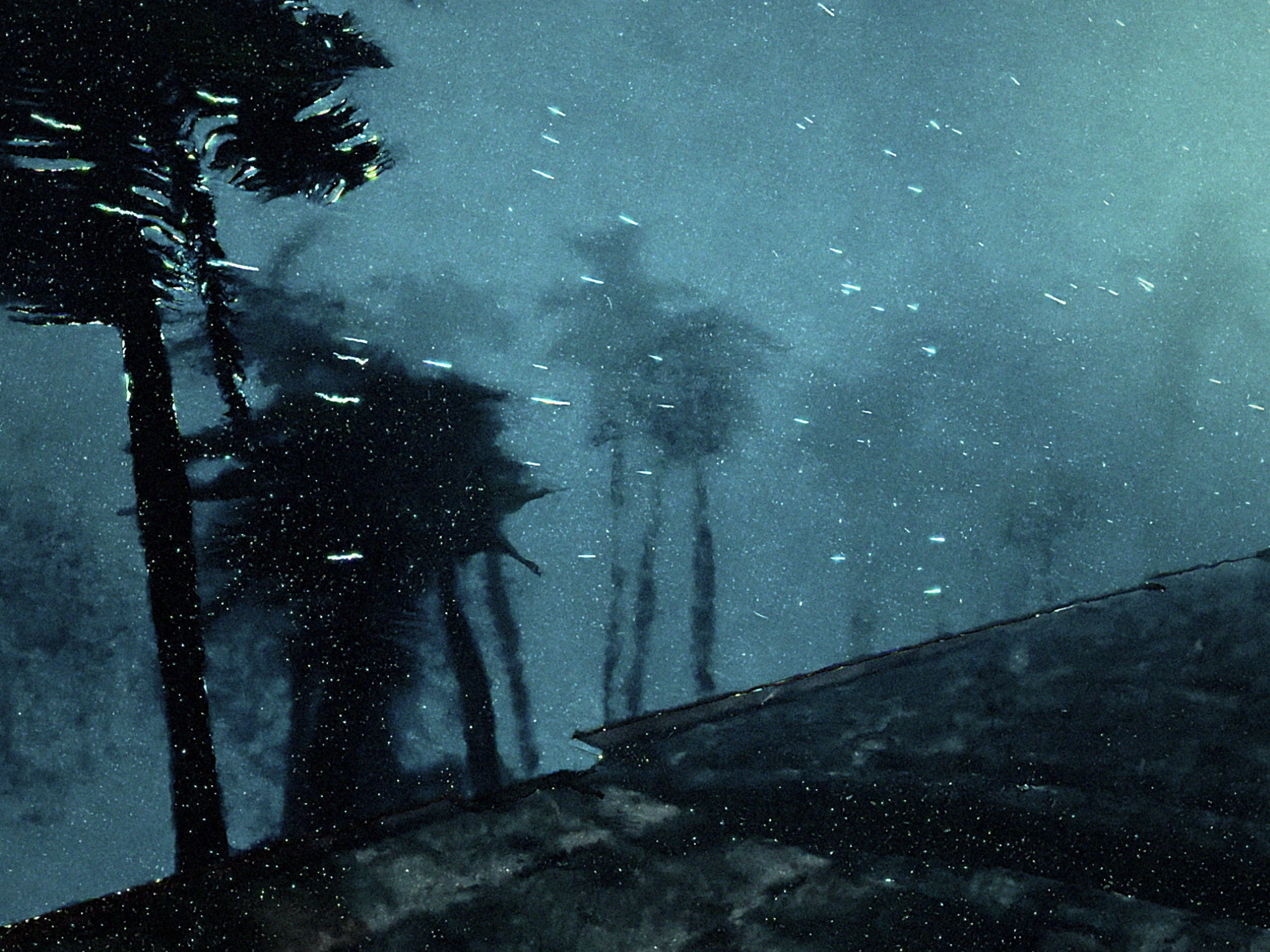
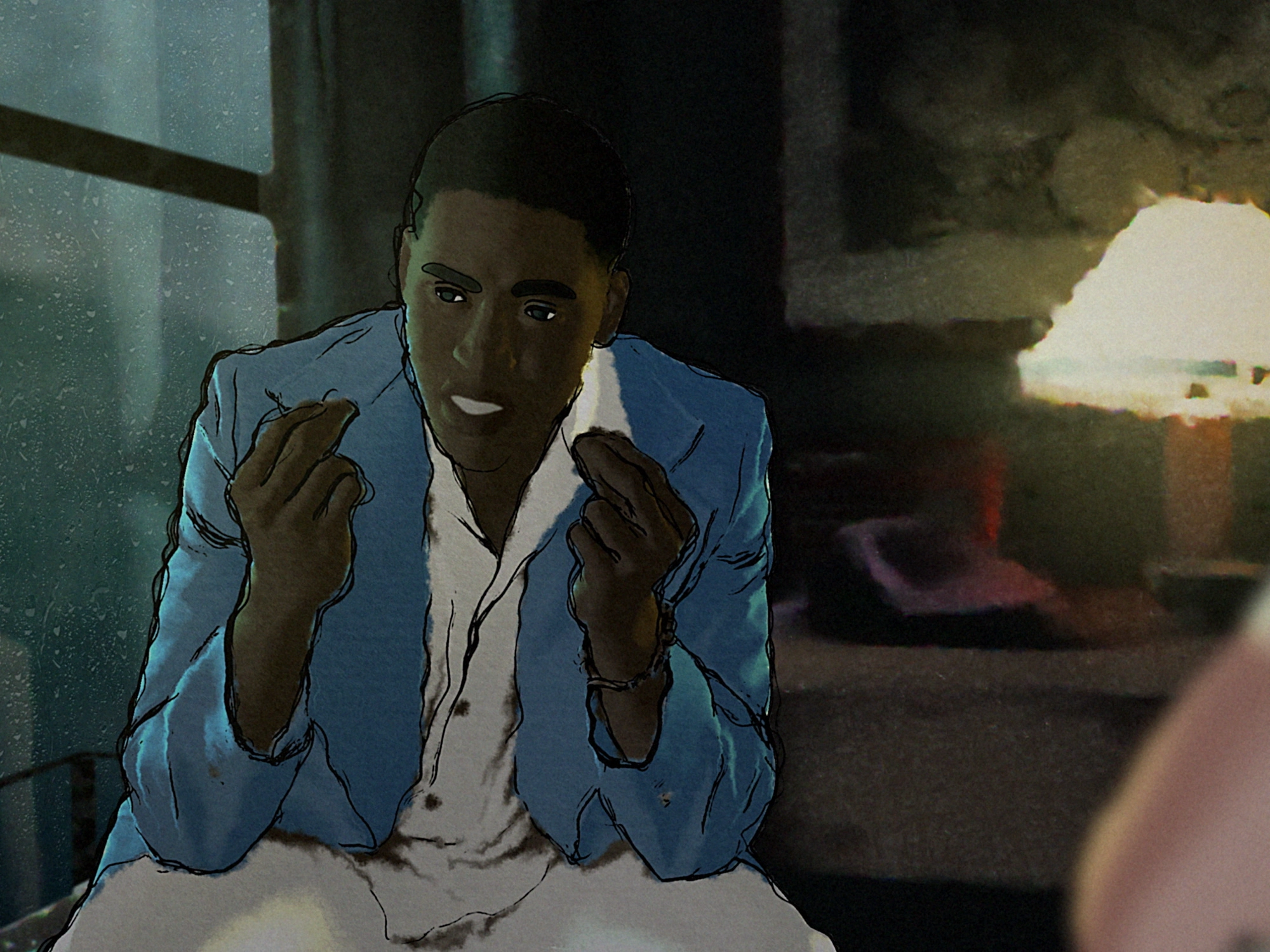
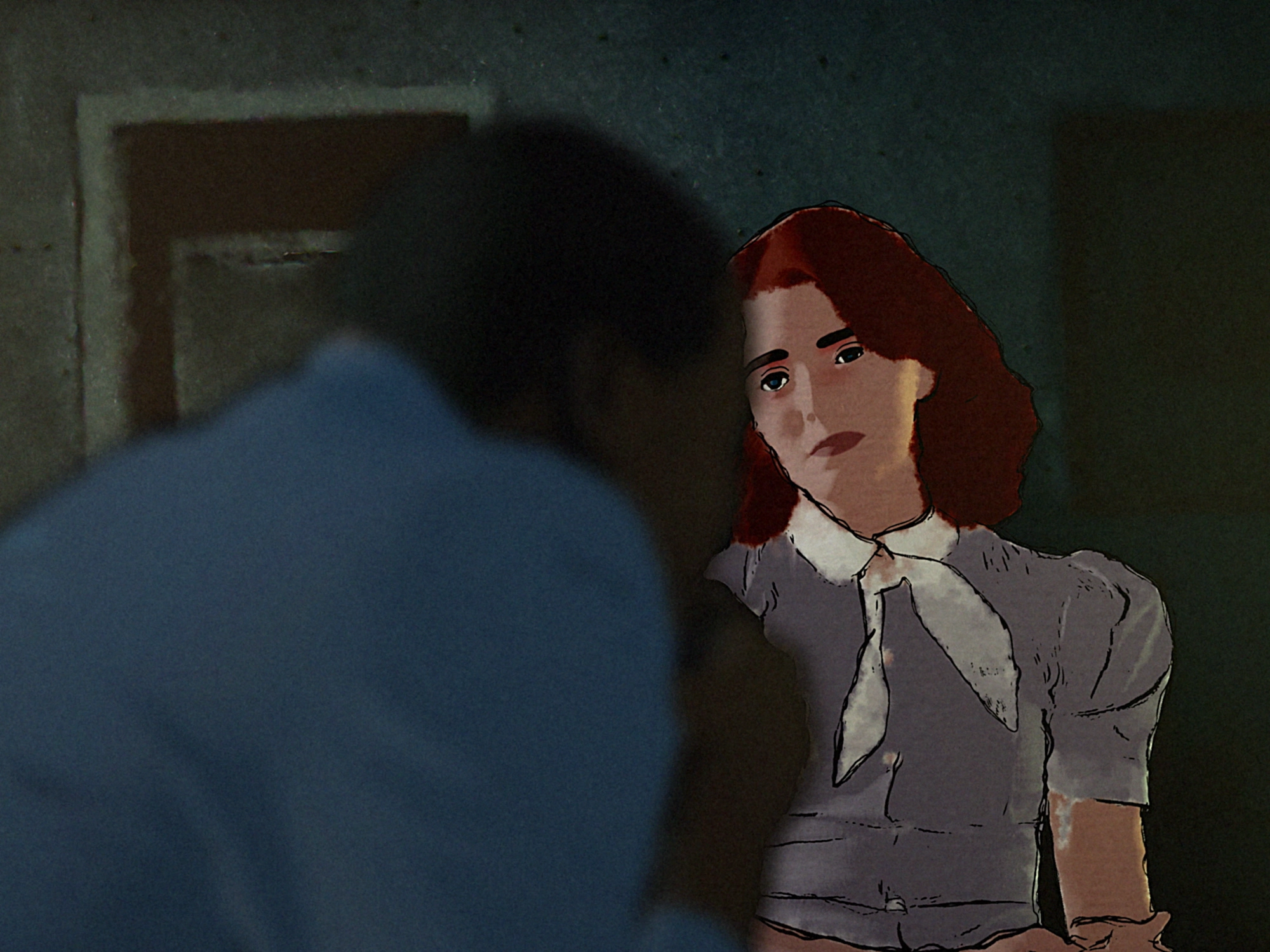
May, a traveling nurse, finds employment on an impossibly large hospital train, filled with patients and staff who all suffer from bad dreams.
"Powering steadily along the coast is a TRAIN extending far beyond sight, with its towering, five-storied carriages being swung side-to-side by the uneven rail; a city block on wheels."
May explores the passengers and staffs' differing relationships of home and journey; some grow where they are planted, others are dandelions.
HEAD NURSE
I think you'll find good company here. People like you.
(off May's look)
Travelers, you know — short term visitors. Like mayflies.
MAY
Hm.
The film uses Spatial Audio (32-speaker arrays) and Multi-Screen Theaters for an immersive experience.
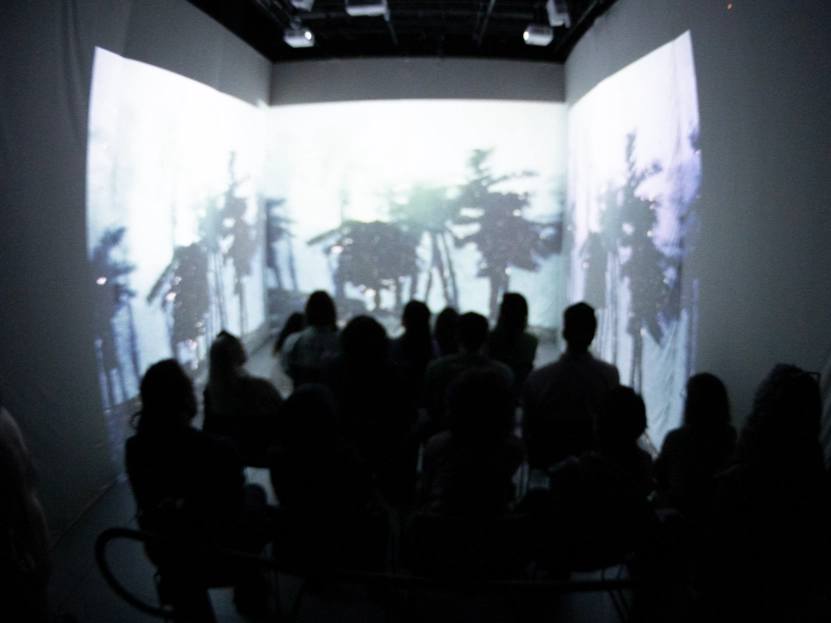
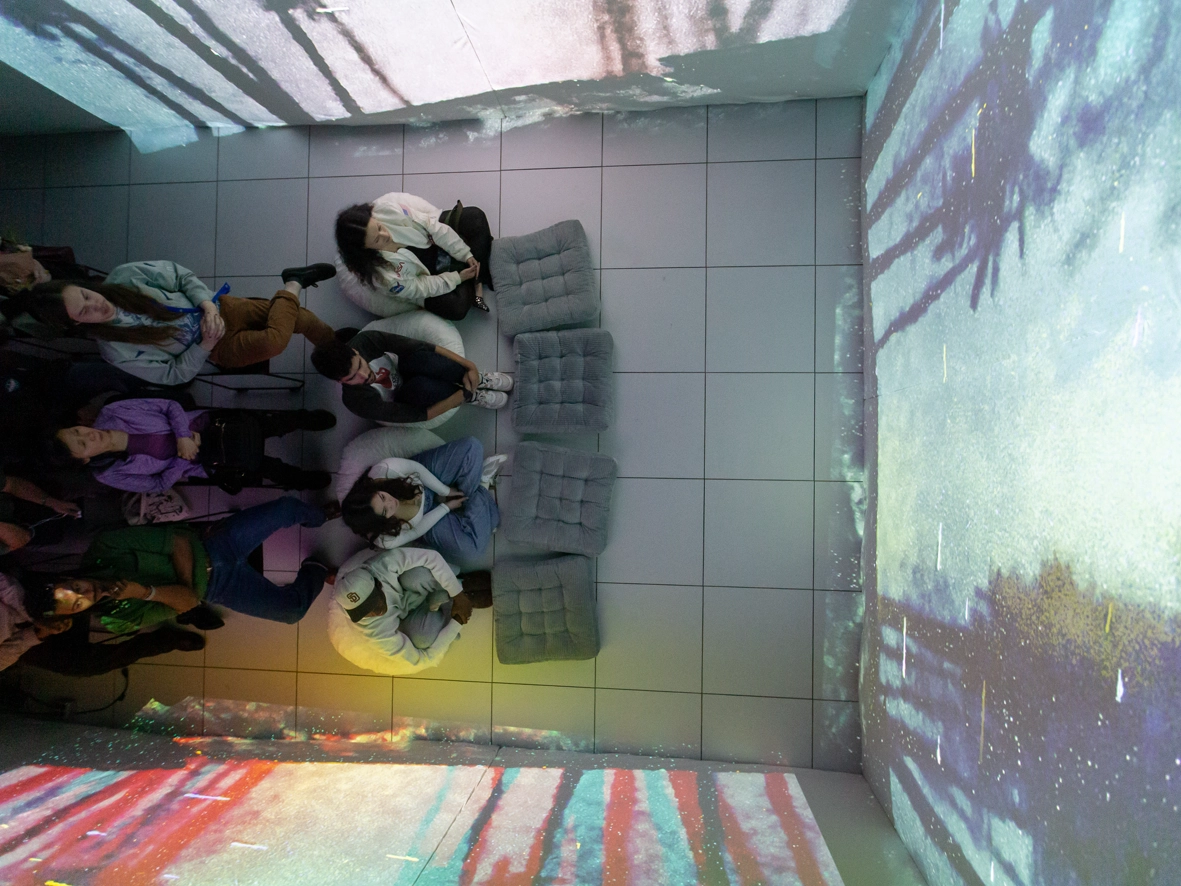
Immersive showcase of The Month Between April and May in the Qualcomm Recombient theater.
Production Method: The feature was shot over 4 days using multi-cam setups and actors in full costume.
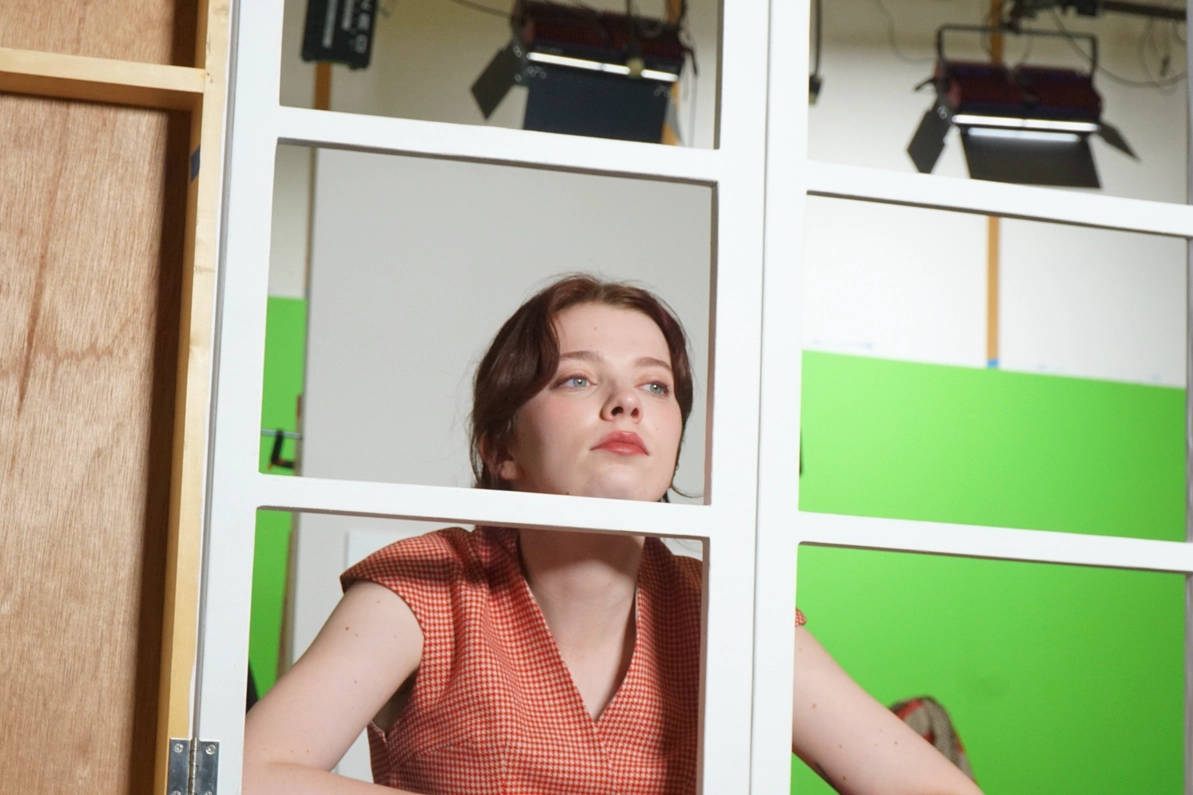
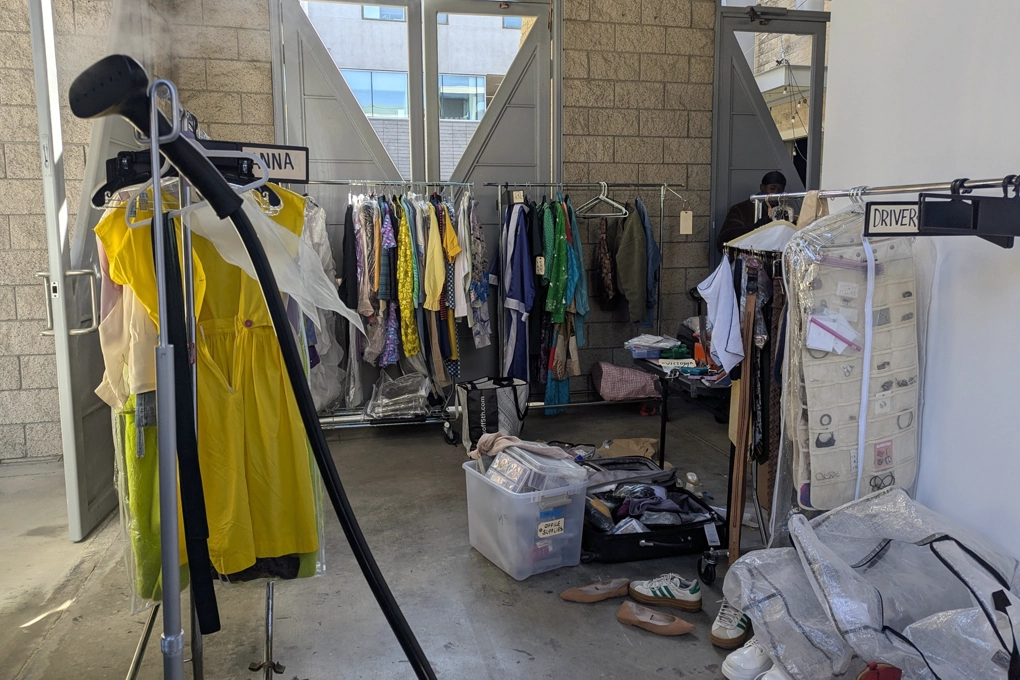
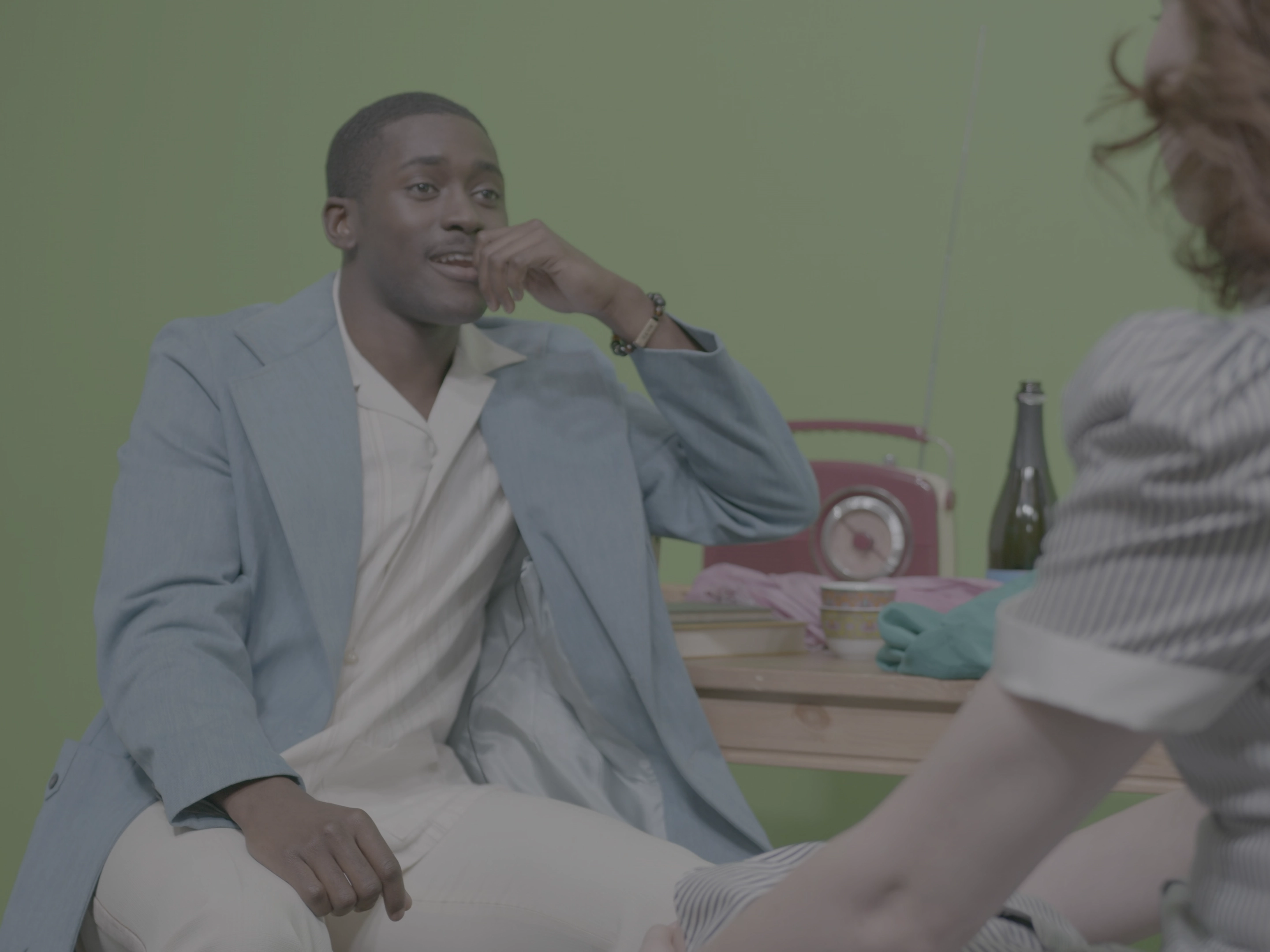
Animation Method: Every frame is painted over with a new rotoscope process, resulting in 7 minutes of animation treated per month.
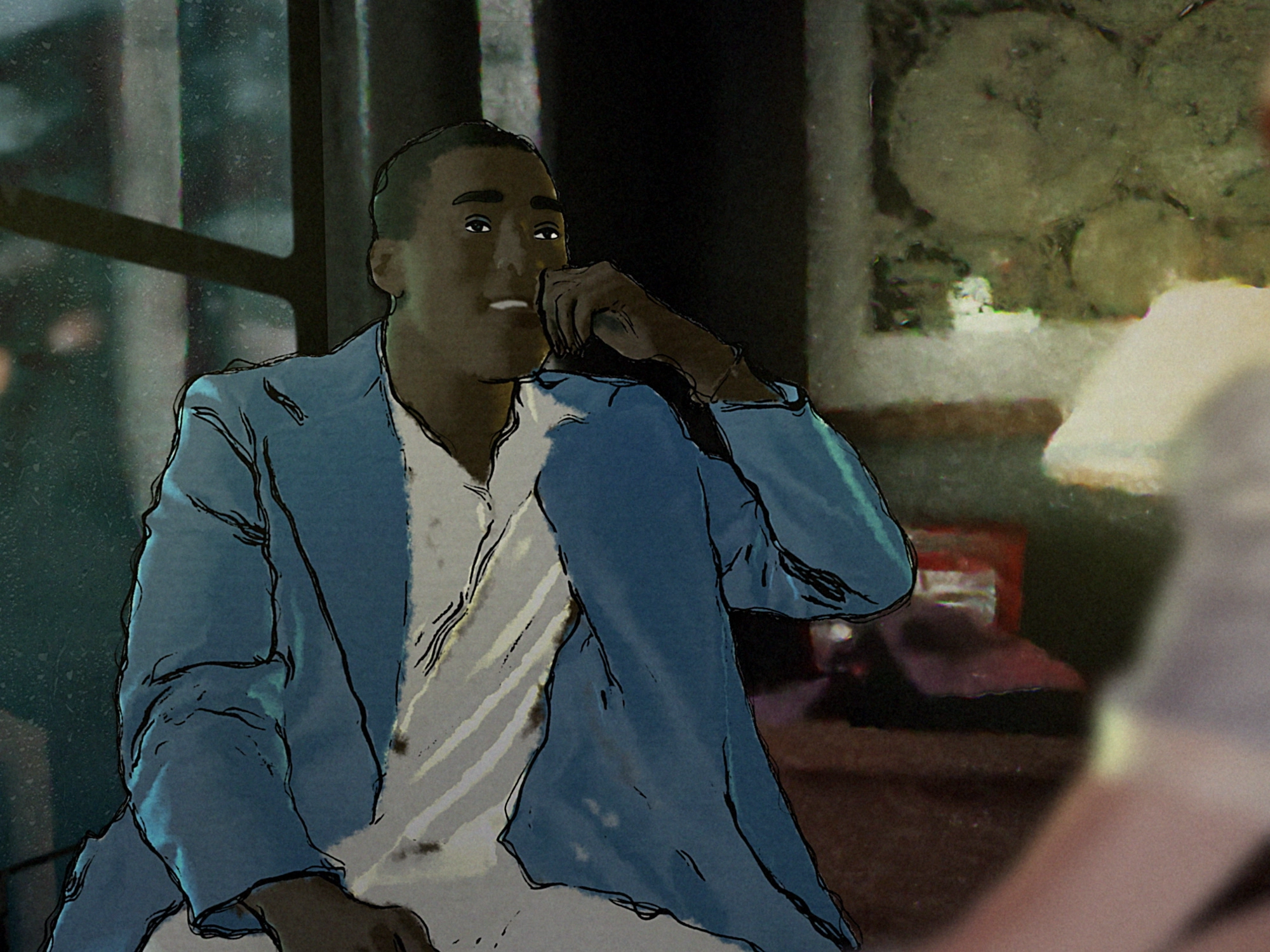
100% Human Made: All animation and stylizations are done by hand. AI is not used for asset generation, image, video, or audio rendering, or any other creative process.
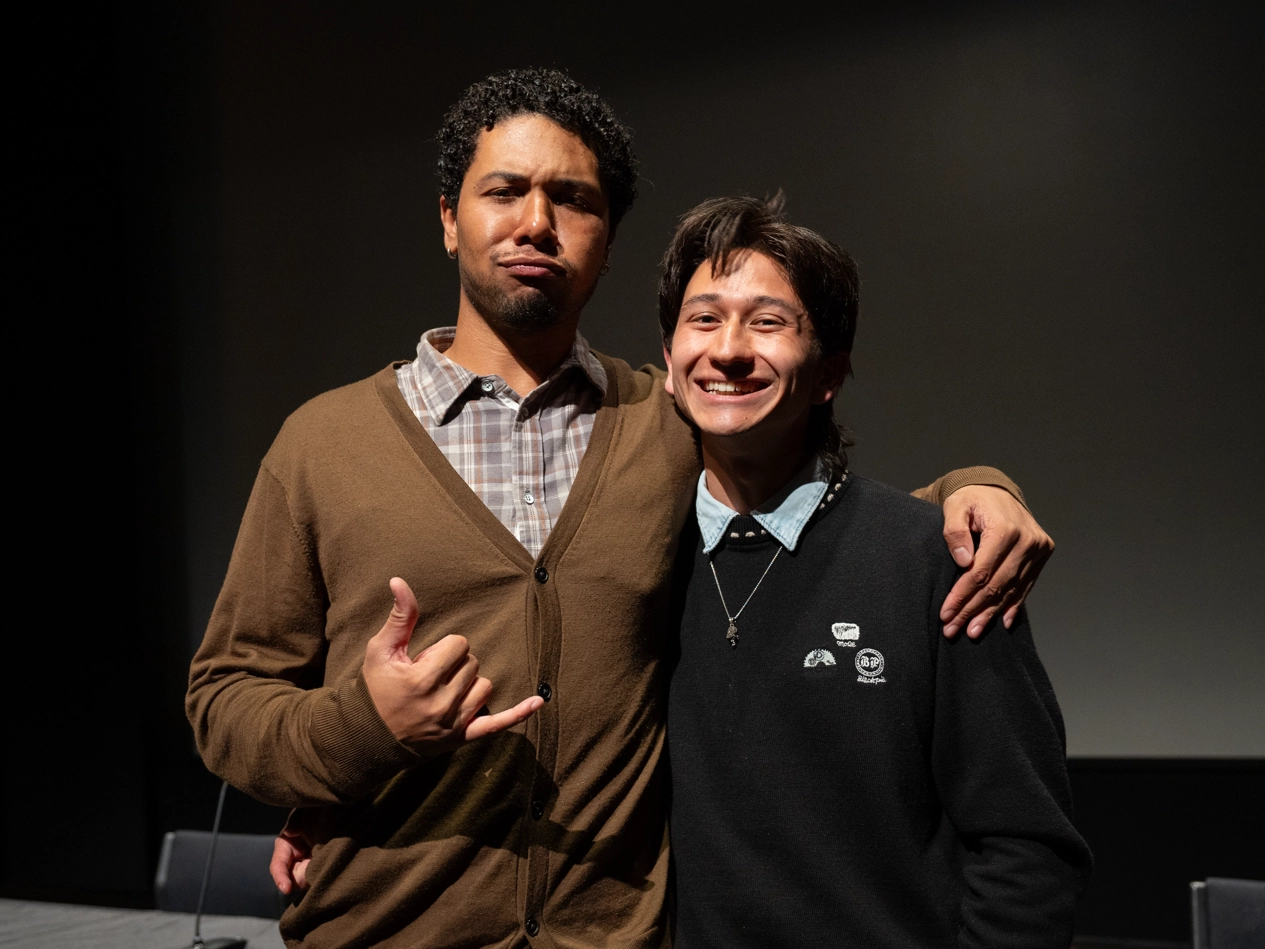
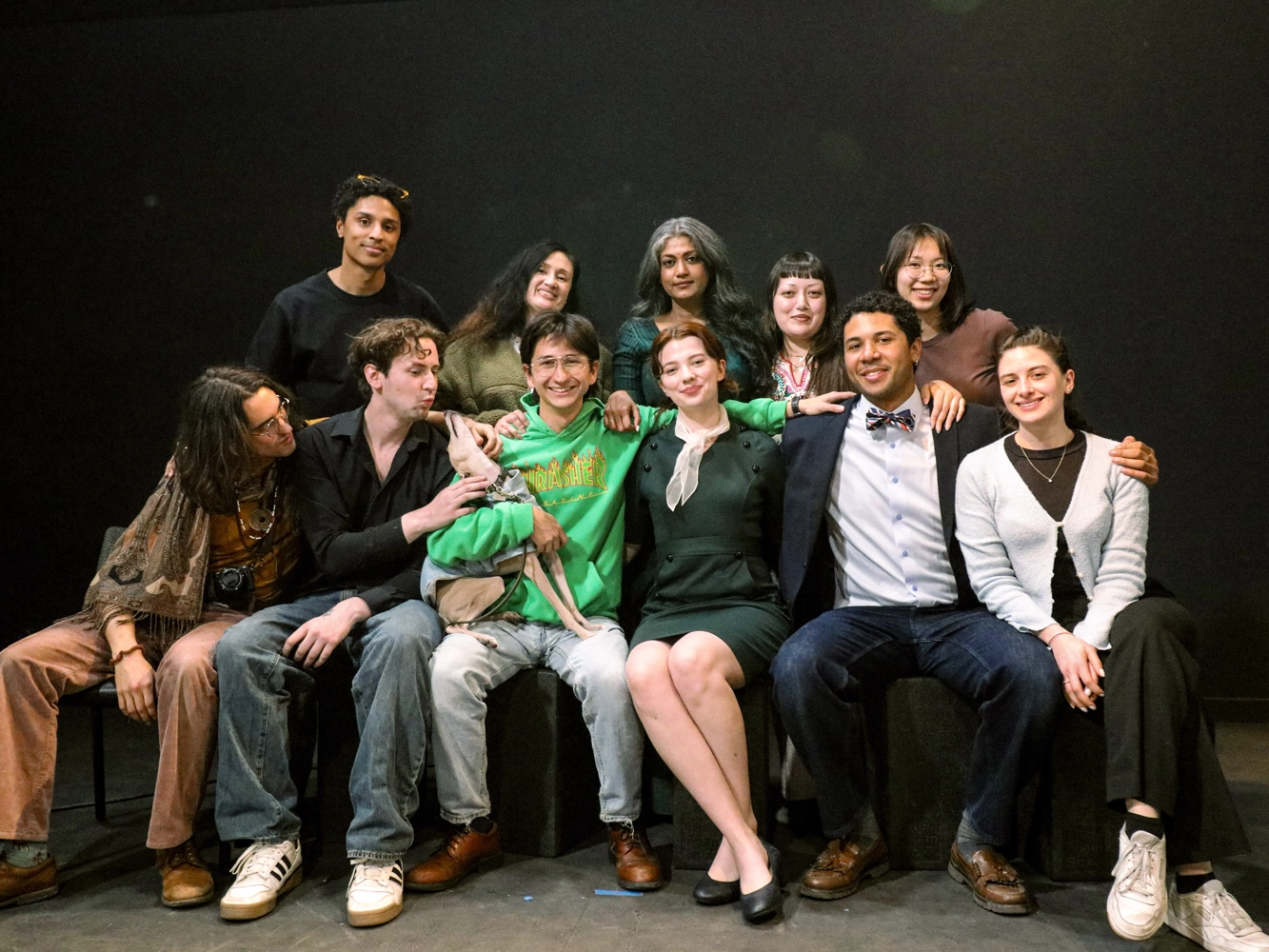
The Creators
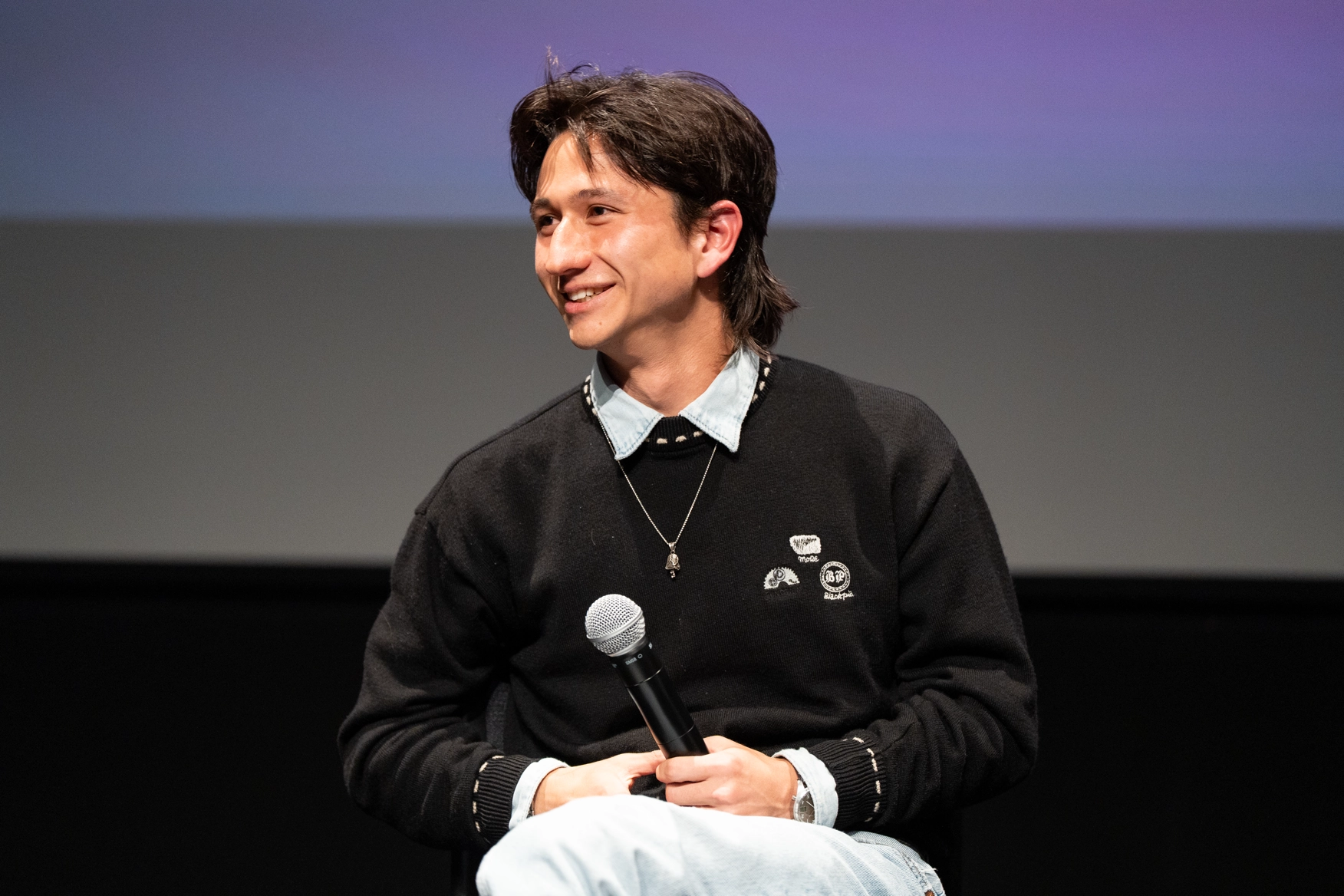
Kai Tattersall (Director/Writer/Animator) is a Japanese, English, and American filmmaker and animator. A graduate of USC's film production program, and a founder of 2000blue, he has created films that combine actors with animation. Tattersall won the International AI Film Festival, but later distanced himself from generative AI.
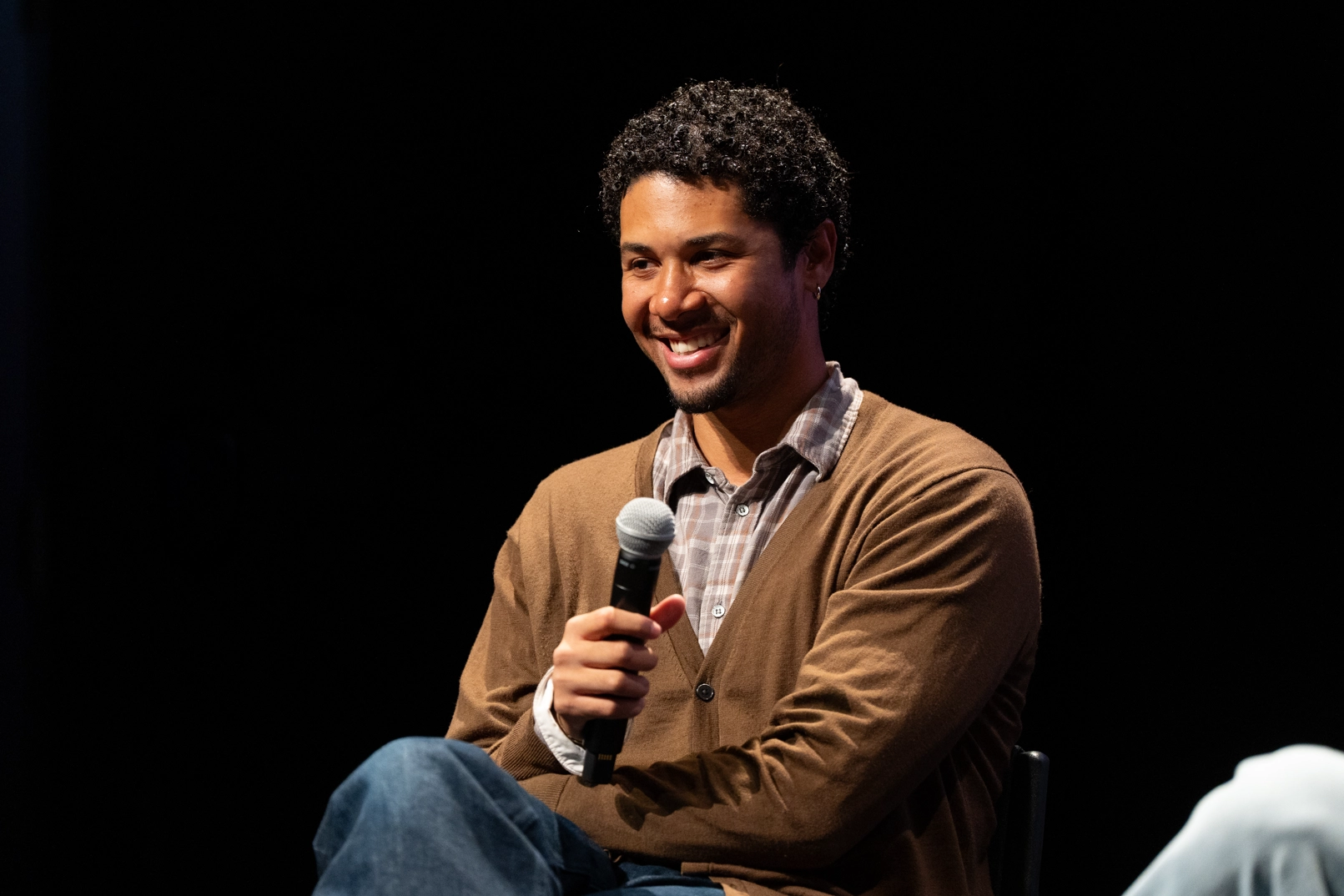
Myles Ortiz-Green (Composer/Producer) is a multidisciplinary artist, composer, and pianist. They are currently pursuing a PhD in Computer Music and Composition, researching spatial audio, digital signal processing, and Black American Music (BAM). They are also a film composer who helped pioneer the Beats by Dre “Inaugural Black Future Creator Program” in 2020 and 2021, and is an alumni of the POSSE scholarship program.
The Team
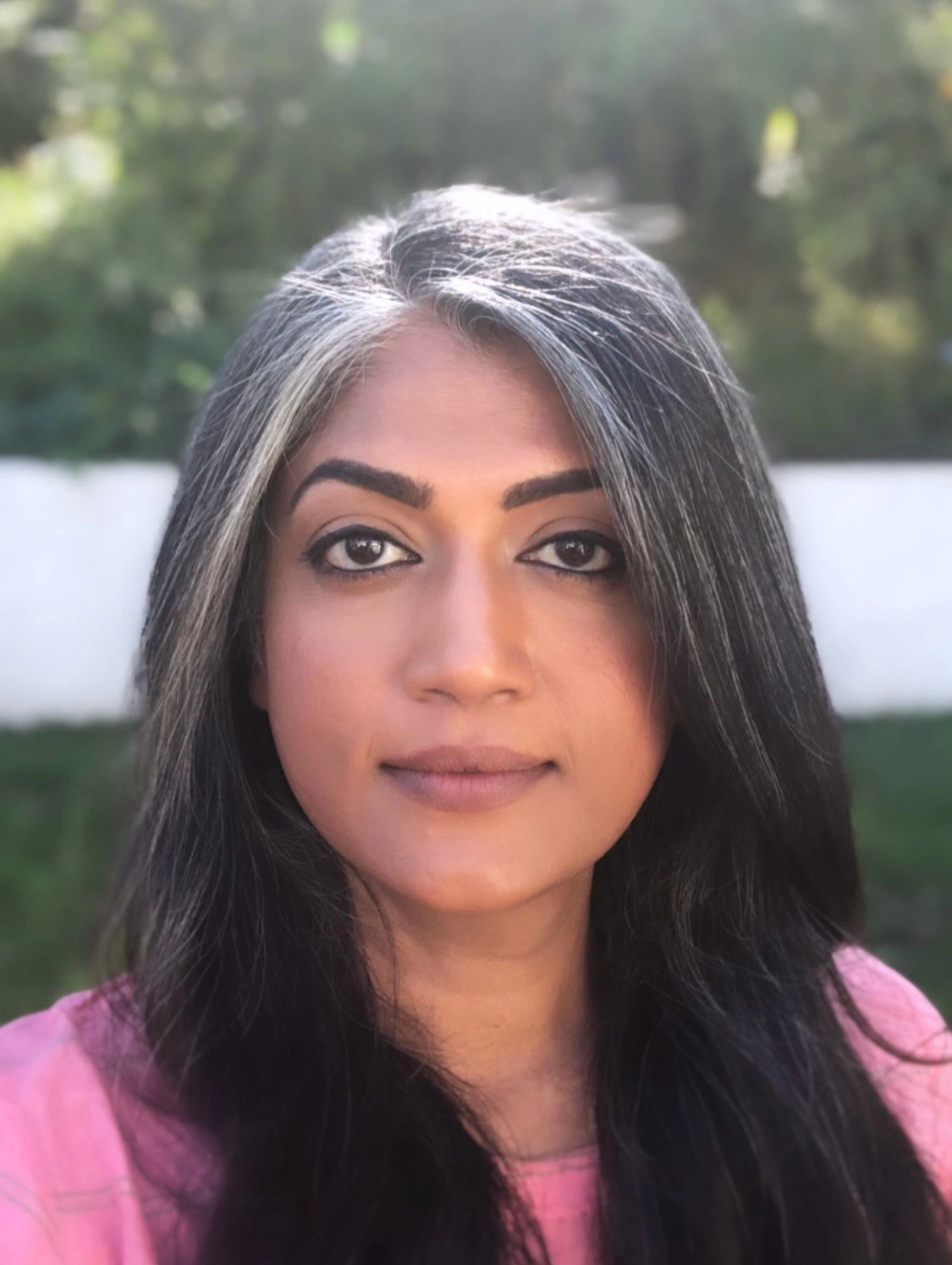
Swati Shetty (Producer) is the former Netflix Originals lead (India) and Disney executive. Produced the Sundance-winning film Umrika.
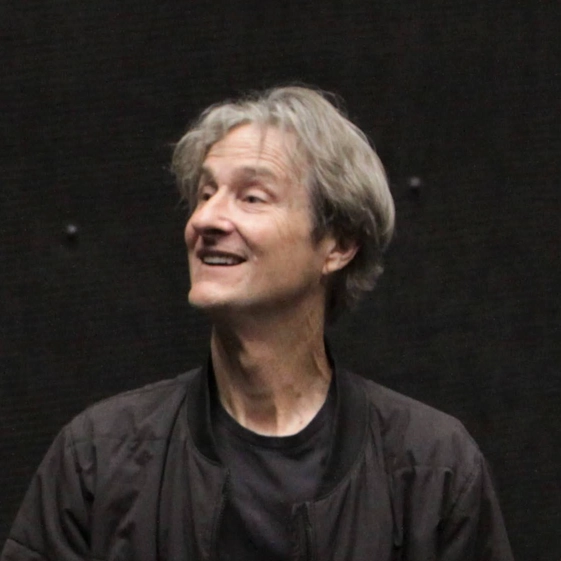
Mike Patterson (Creative Advisor) is a pioneer in rotoscoping. Animated the influential “Take On Me” video for a-ha and is a Grammy and Student Academy Award winner.
Festival Ambitions
- Cannes
- Venice
- Sundance
- Annecy
Beyond traditional screens, the project is designed for Immersive theaters and high-fidelity sound labs, and can be adapted for Dolby Atmos and other formats.
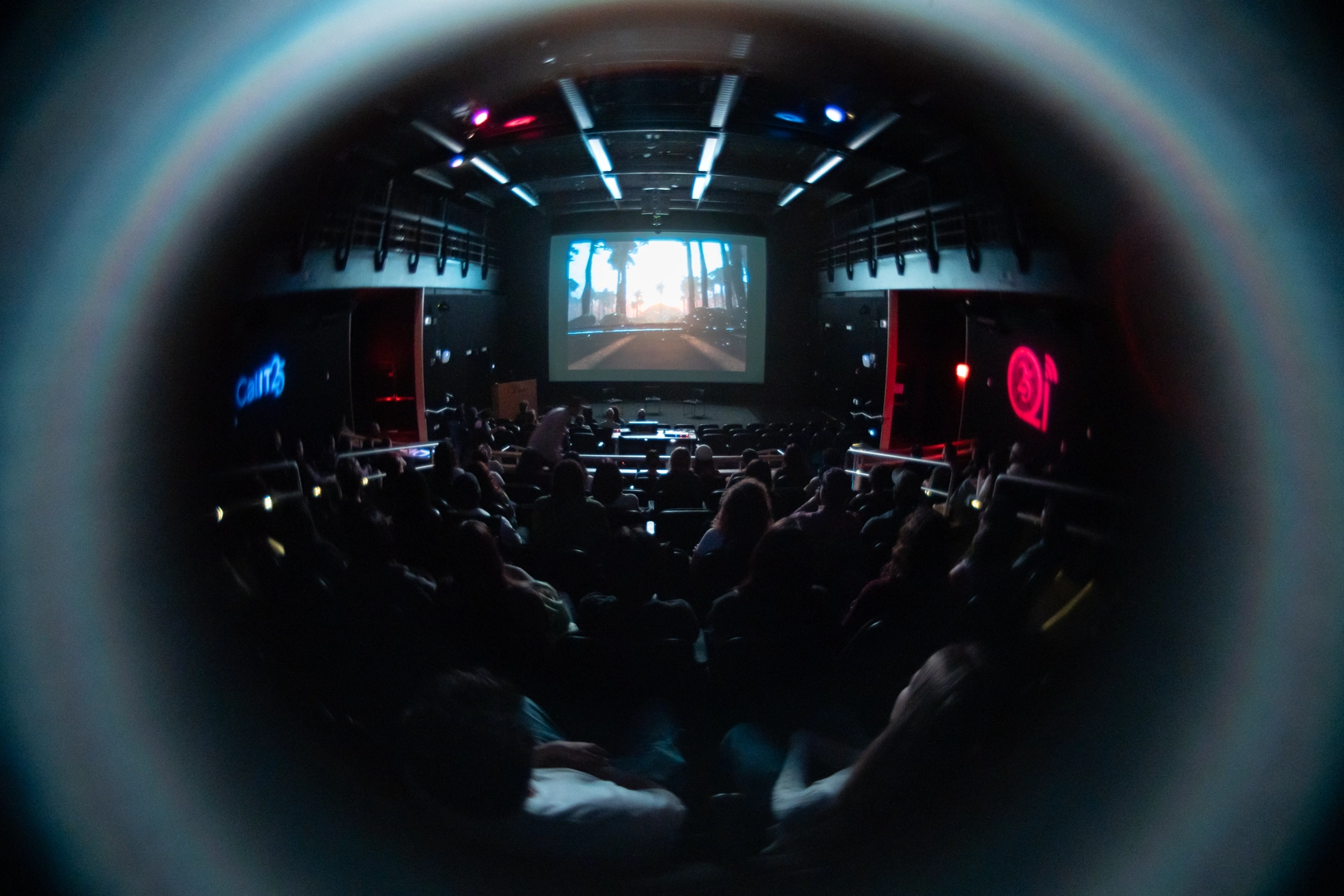
Theatrical showcase of The Month Between April and May in the Atkinson theater.
Financials & Timeline
- Current Backing
- Raising
- Timeline
Qualcomm Institute IDEAS, Suraj Israni Center for Cinematic Arts, Beeble.
Final finishing funds for post-production, spatial audio mixing, and festival run.
Jan - Feb 2026 (DONE): On Set Shoot
July 2026: Edit Lock
February 2027: Picture & Sound Lock
Spring 2027: Premiere & Festival Circuit

WHEN IT STARTED
Director's Thoughts
I grew up in Japan where Ghibli was king. The studio's drawings were everywhere -- on buses and trains, or
anywhere with a mass transit of people. My family left the island when I was ten, and I eventually went into
animation in the States.
Myles and I met on a film set; I was doing sound work at the time and he was the composer. The director asked
for my opinion on a few musicians, and I told her that Myles was the only option. We talked for hours after
the set wrapped. Five years later, we're making a film together.
We're both from islands -- his family is Puerto Rican and I'm from Okinawa. We share a love for ambient music
and
of
slowly listening to an album; an “island time” mentality, in a way. That's where we started with this project.
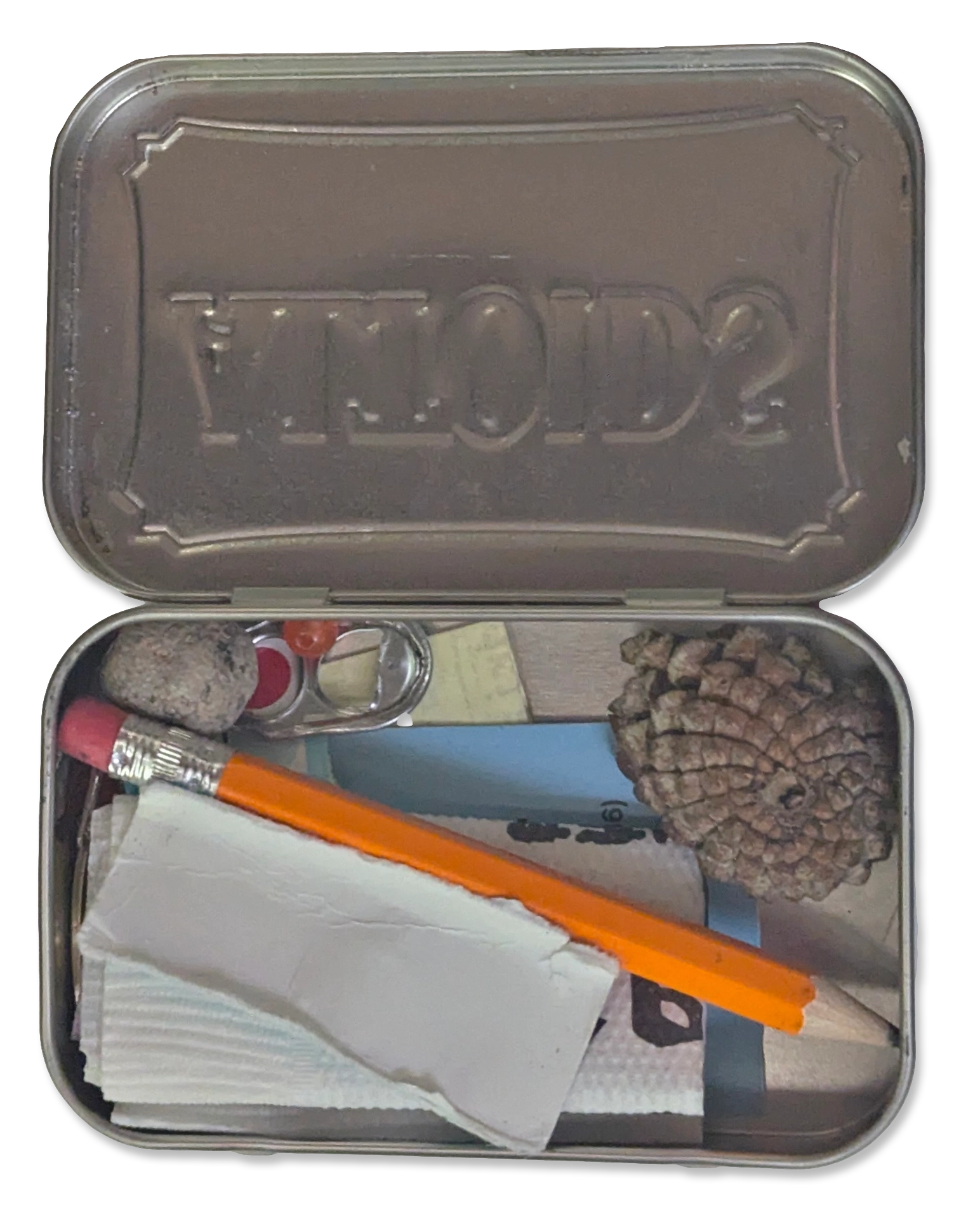
During the writing of this film I became an itinerant. Somehow, a two week ticket to Paris turned into a year
and a half of travel. Throughout, Myles and I would call and talk about the story.
Shortly after my travels, my Japanese grandfather died. A few days later, my English grandfather died. With
two funerals to attend I had to extend my travel, again. On the road, I read a collection of short stories by
my grandfather's favorite author, Somerset Maugham. That night, recovering in my cousin's tiny bunk bed, I had
a dream of a train circling an island forever, and The Month Between April and May was born.
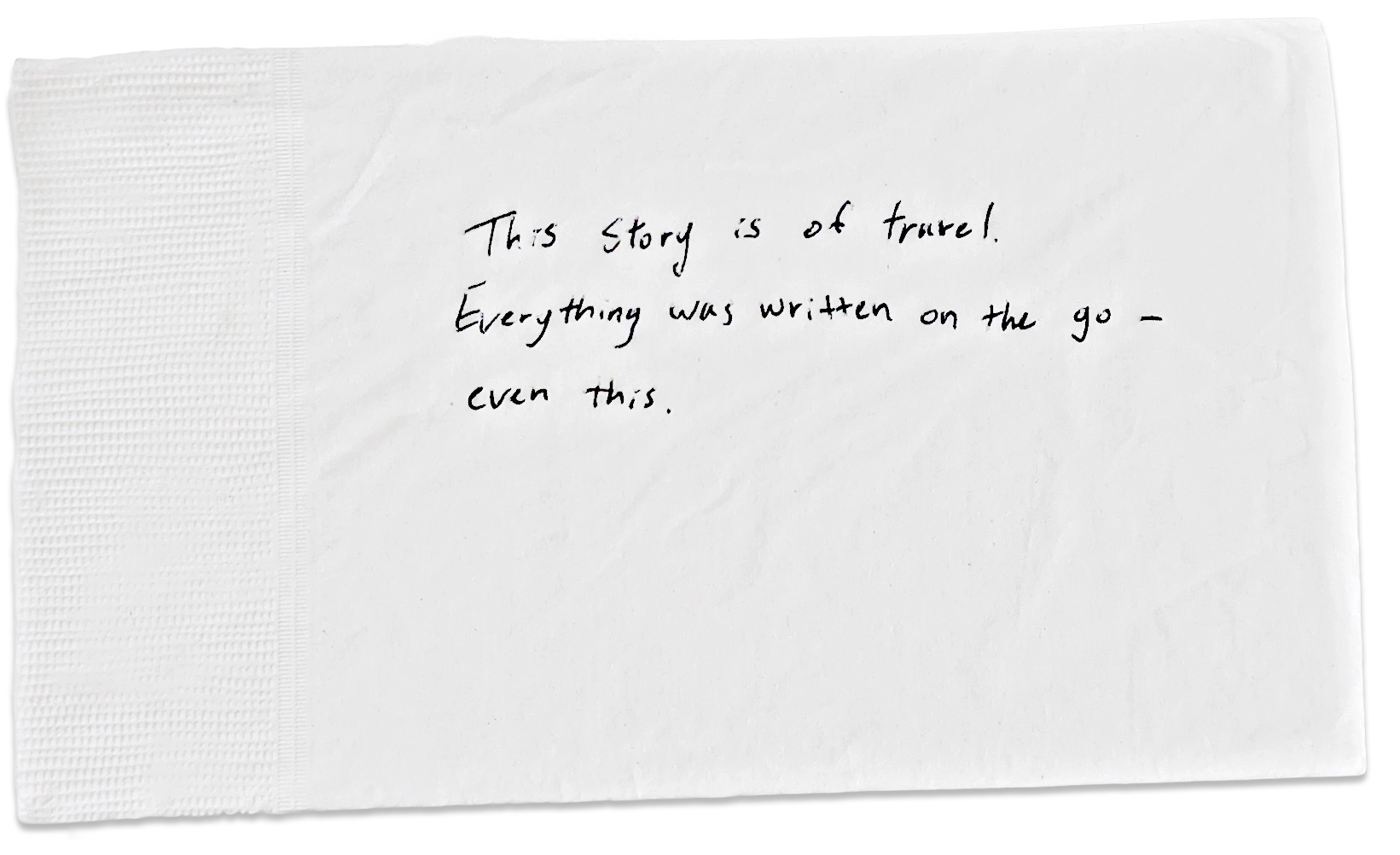
The script was written entirely on my phone. I wrote in every place I visited, and in the planes and trains I
took to get there.
One of the most notable qualities of a Miyazaki film is a reverence for time, and as a result, a lot of time
is spent showing characters in transit. There's a lot to learn about how a person spends their time in
en-route. Everyone travels, in some way, every day.
While there are a lot of novelties explored in both the creative and the production of this film, the essence
of it is, I hope, universal: wander.
- Kai
WHAT IS IT?
If you like theater and Studio Ghibli...
Rotoscope animation is the middle ground between performance and animation. The people who love either are bound to enjoy both.
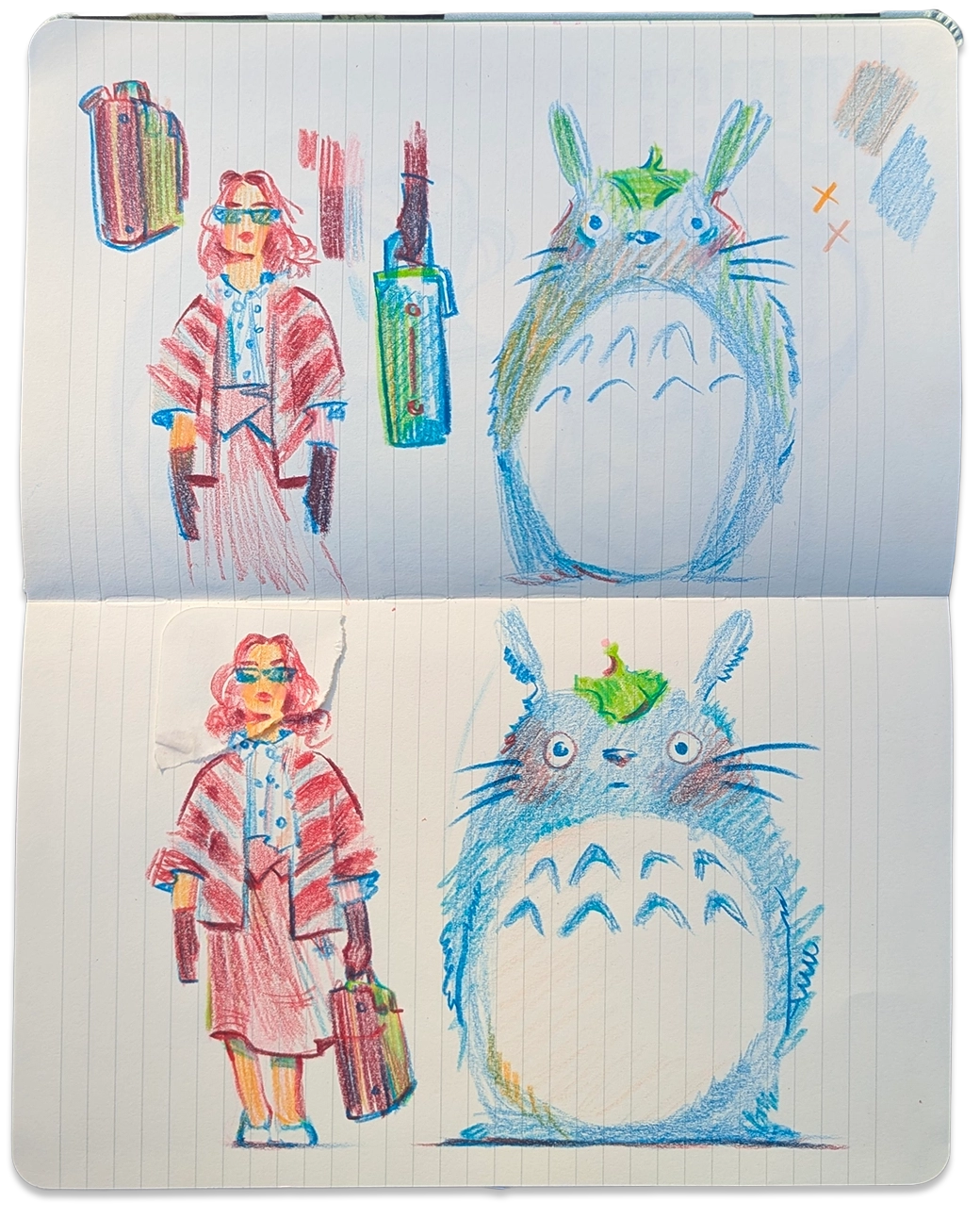
The story follows a hospital train, The Dreamcatcher Express -- “a city on wheels,” circling an island
indefinitely. The patients and staff are oblivious to this; patients suffer from their afflictions, and the
doctors treat them through a surreal form of dream therapy.
May is a traveling nurse. She's been blown from place to place the last few years, and having recently been
transferred from a hospital ship, she's grateful to have employment on solid ground -- as solid as a train can
be. Then, she meets Thomas.
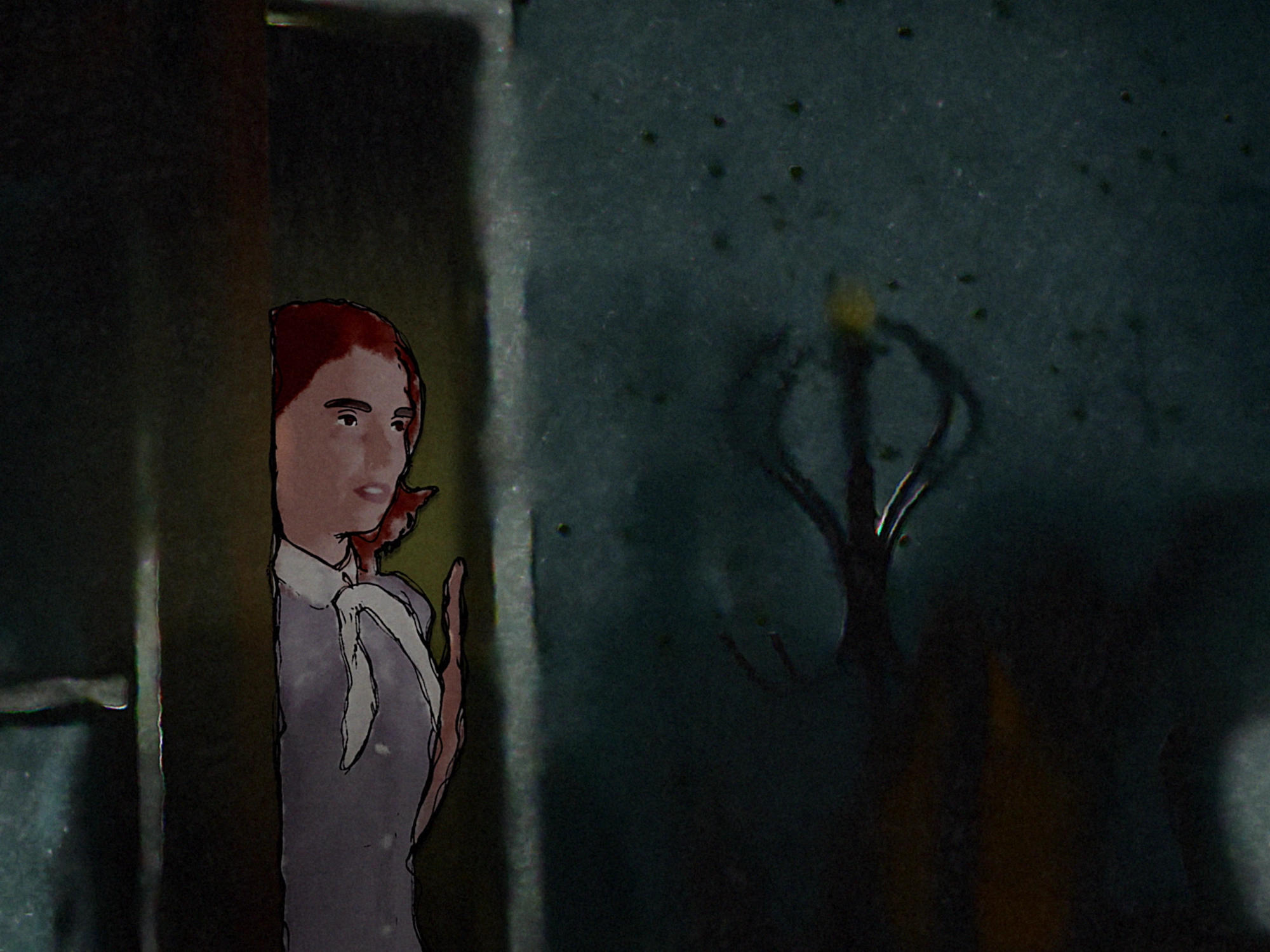
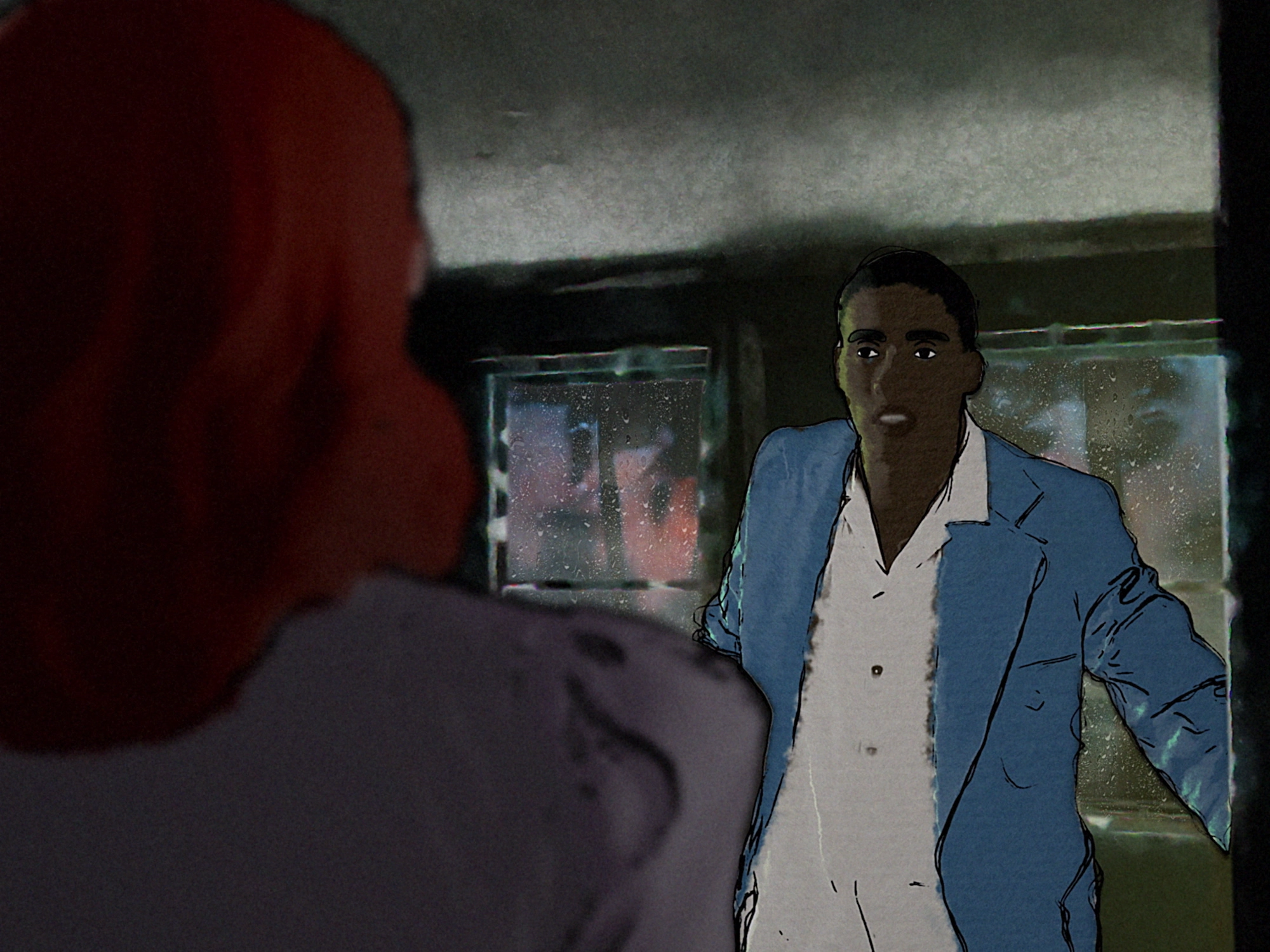
He wears a blue shirt, open at the neck, and gray canvas trousers, not as though they belonged to him but as though he was shipwrecked in his pajamas, and had been fitted out with odd garments by compassionate strangers.
Knock, knock, knock. Someone's at the door.
May and Thomas get along instantly. They discover that they attended the same high school and cherish common
ground. Thomas talks of his journey around the world that led to his admission as a patient on
the train; he talks about his dream of chasing an island paradise. May listens. Then, that night, Thomas jumps
off the train.
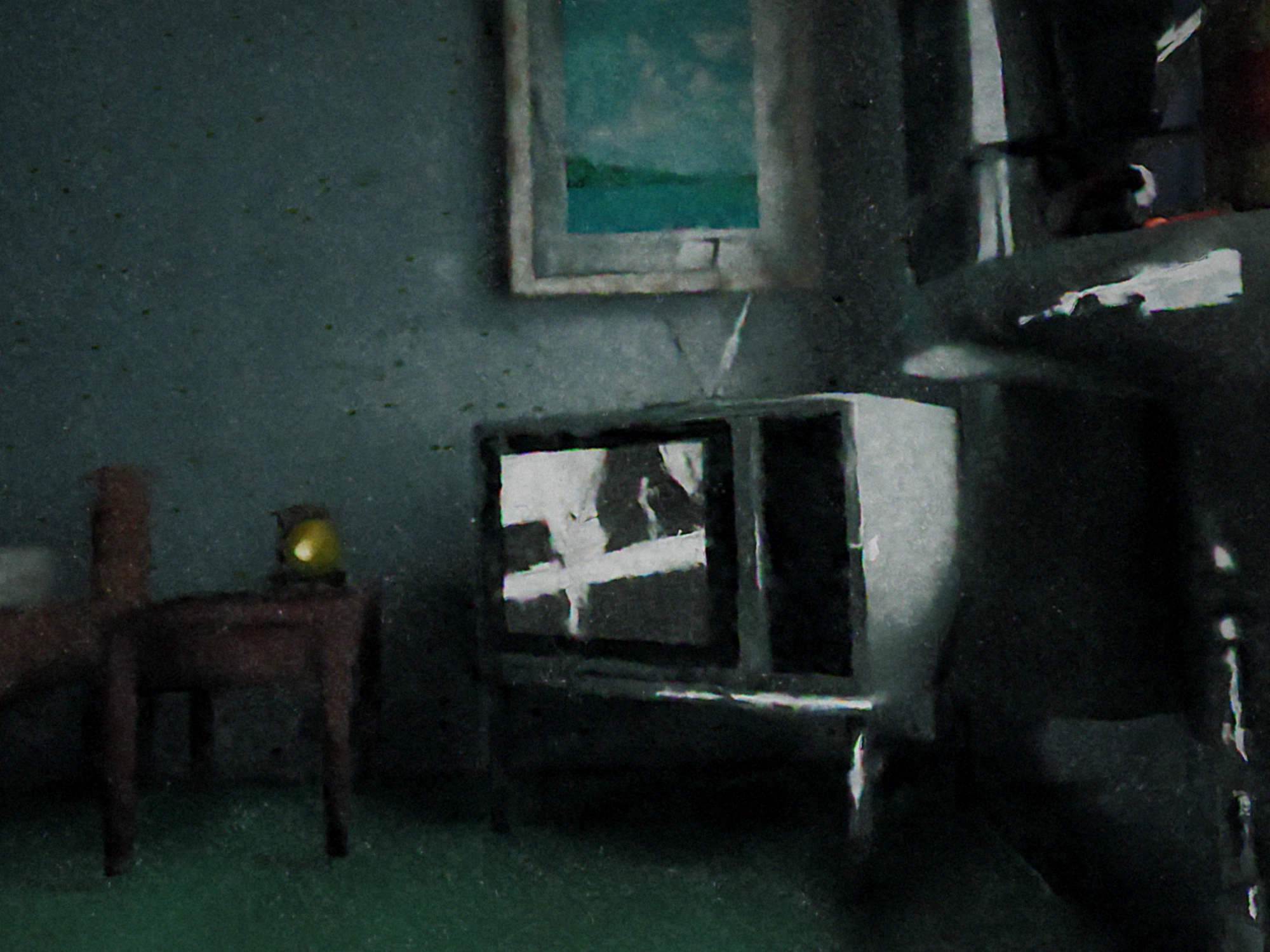
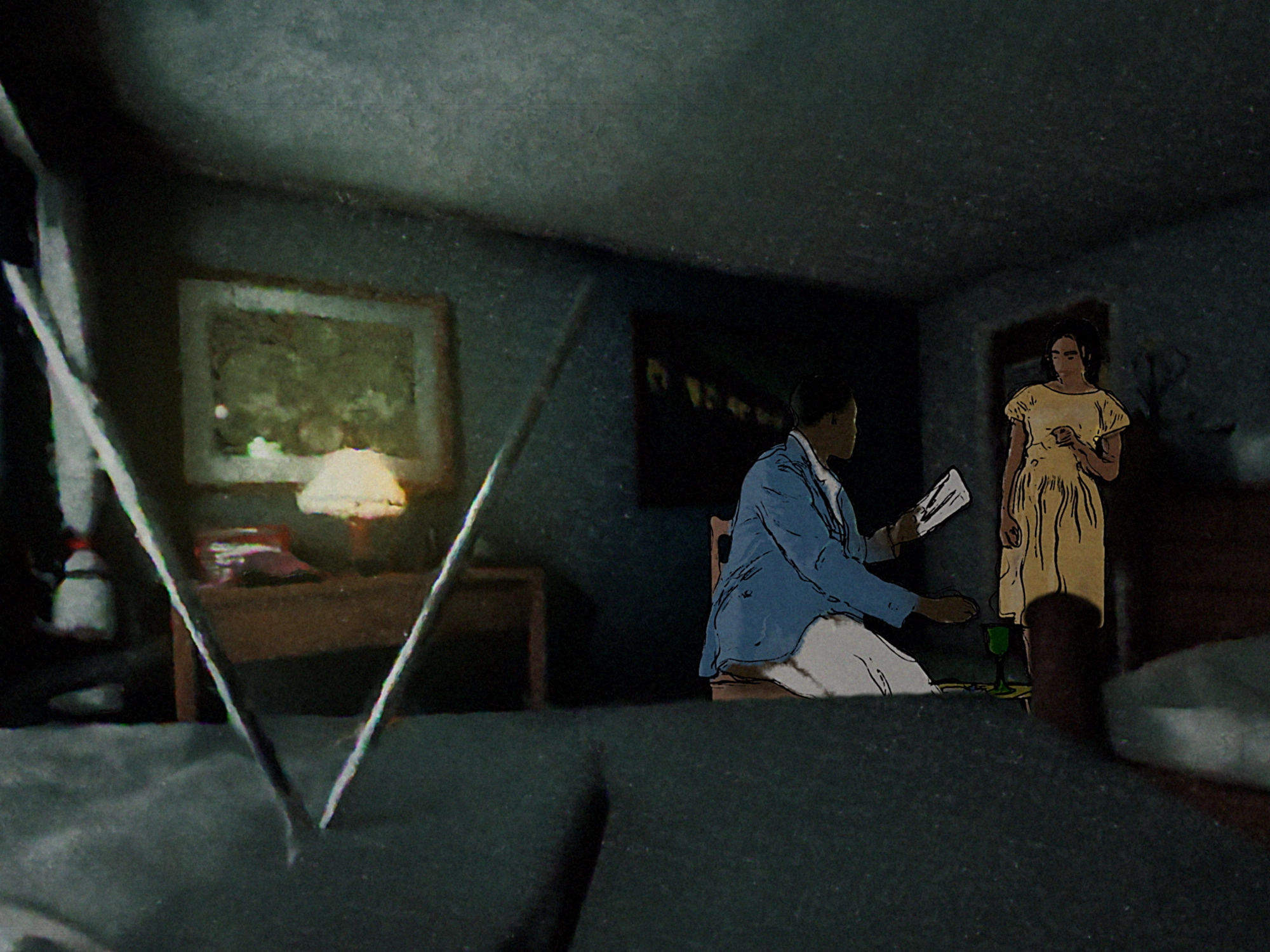
We chose this scene to be our proof of concept.
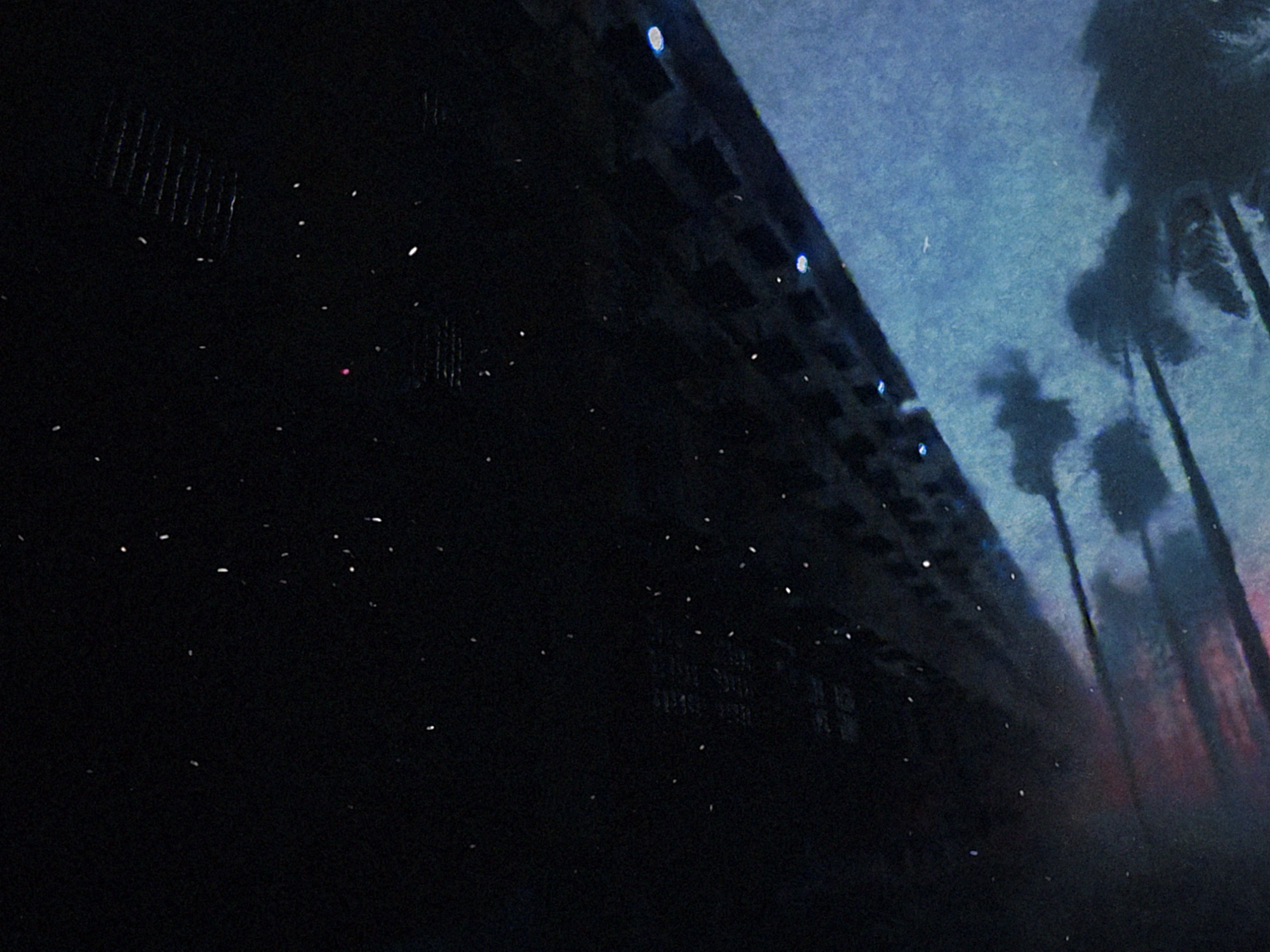
Still from The Month Between April and May proof of concept.
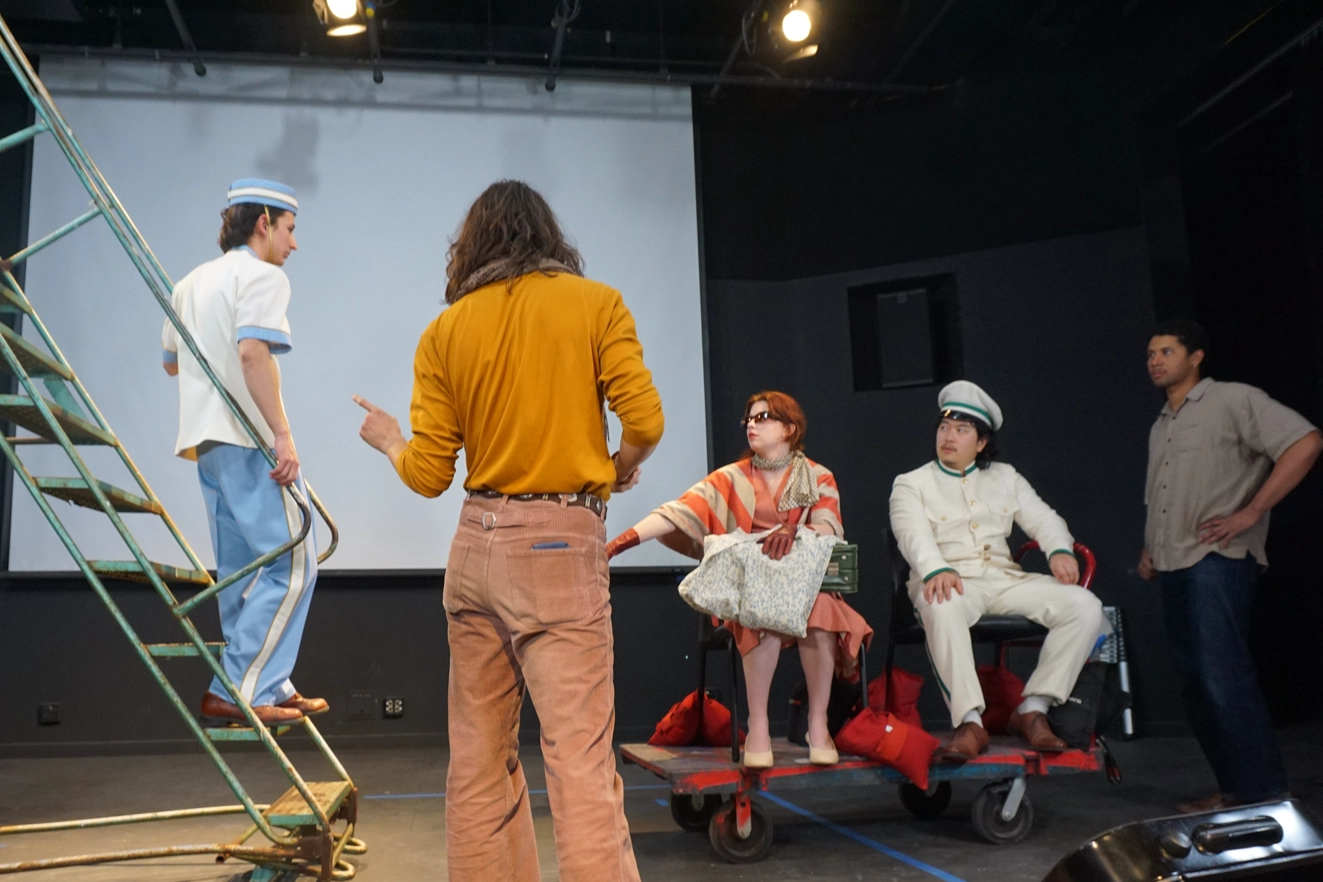
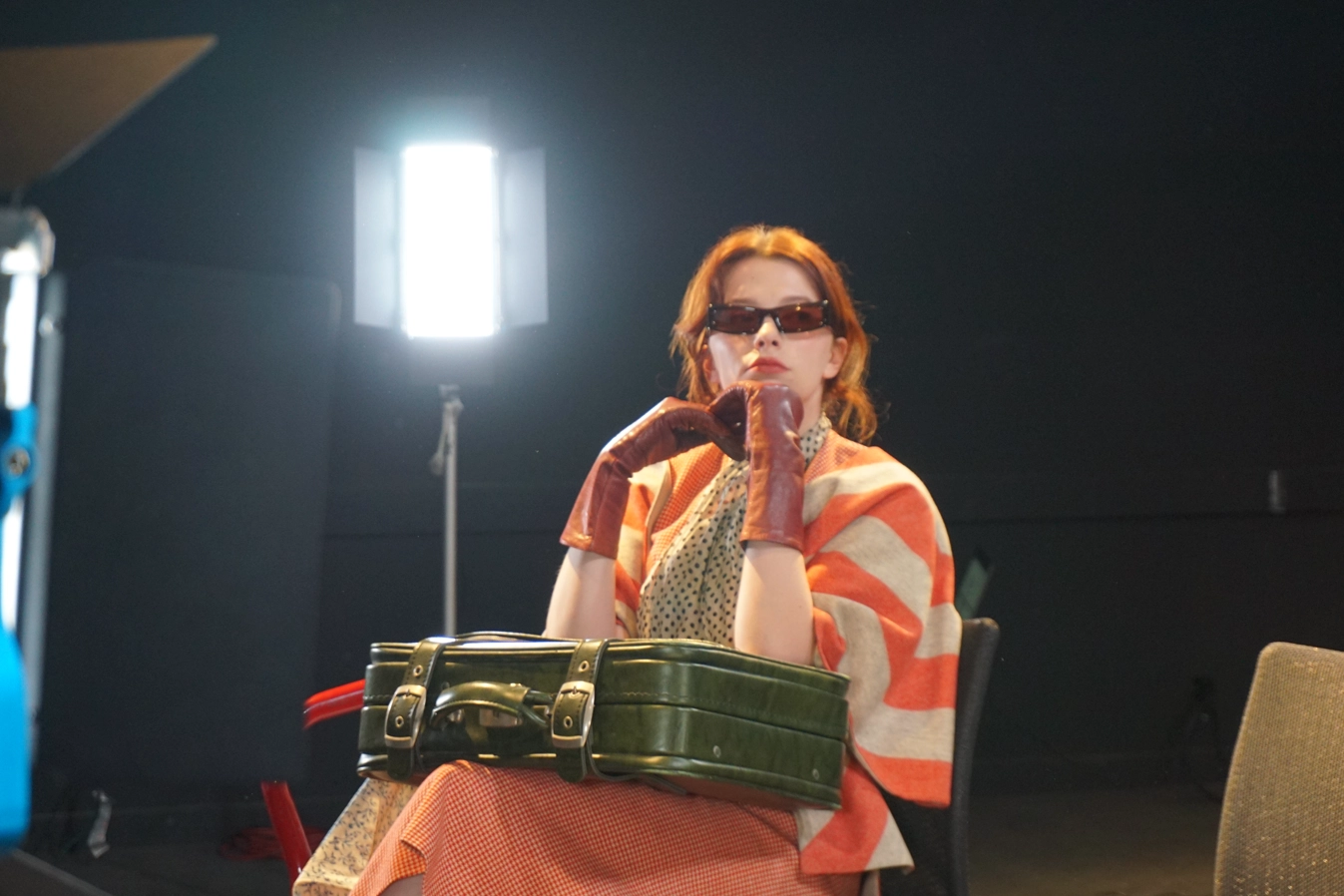
The production ran like theater — actors in costume ran through scenes uninterrupted with a multi-cam setup. This allowed us to shoot the full film in four days.
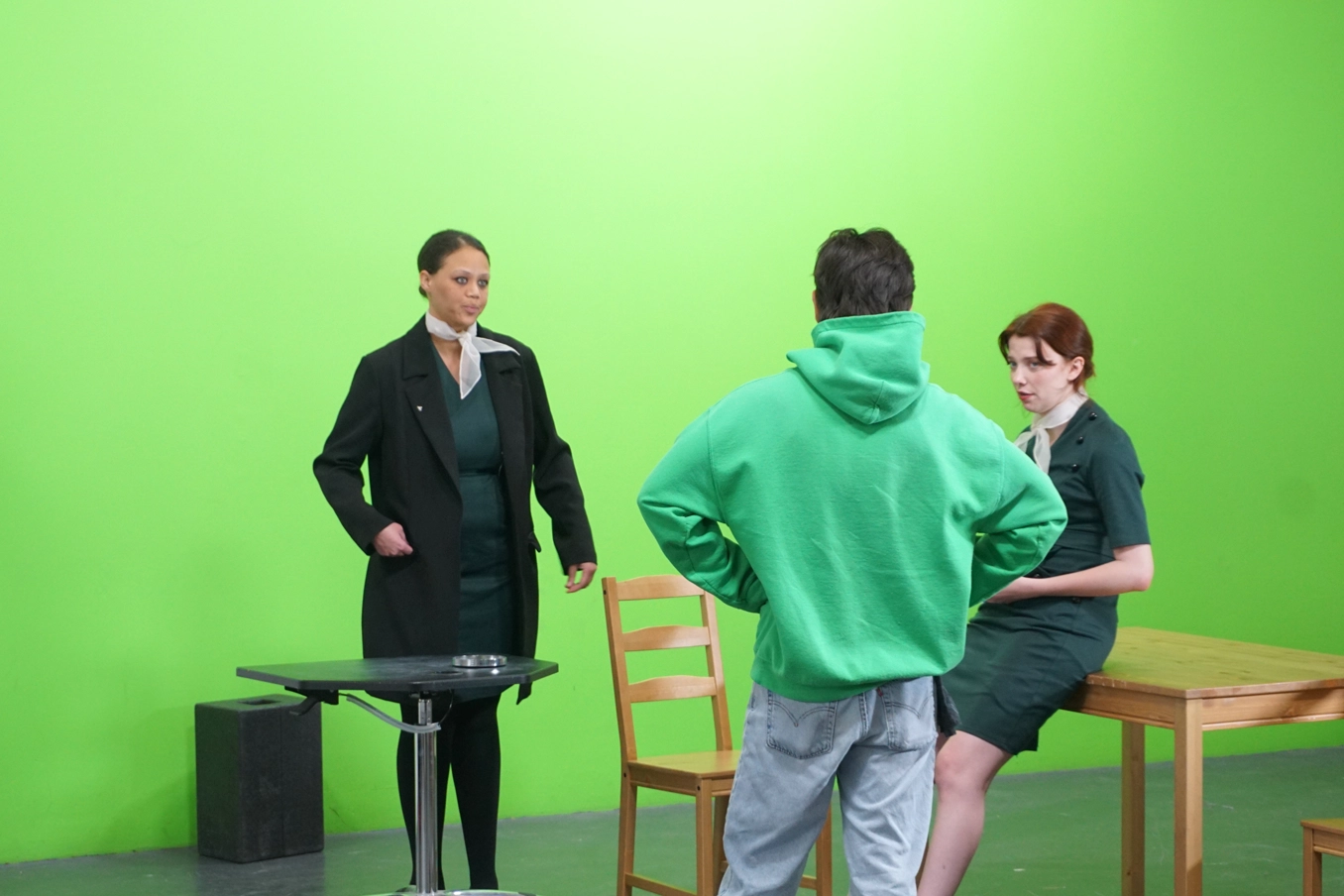
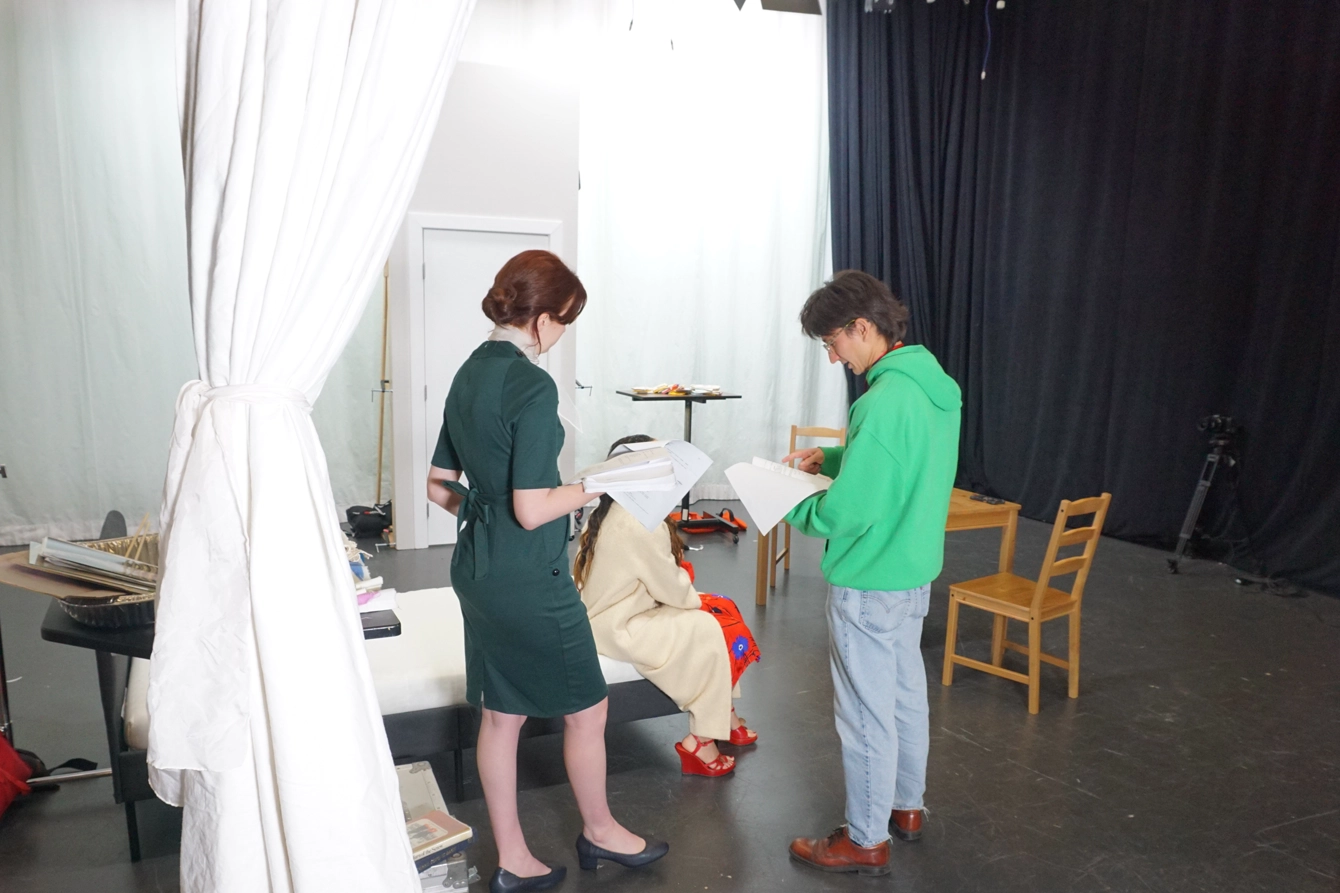
"Rotoscope animation in its true form takes an unbelievable amount of time... I think I've just figured out how to cheat a lot.
Every shot that you see was shot through a mirror... you get an effect like that, which is a bit ethereal, a bit shimmering and a bit like a watercolor.” — Kai Tattersall
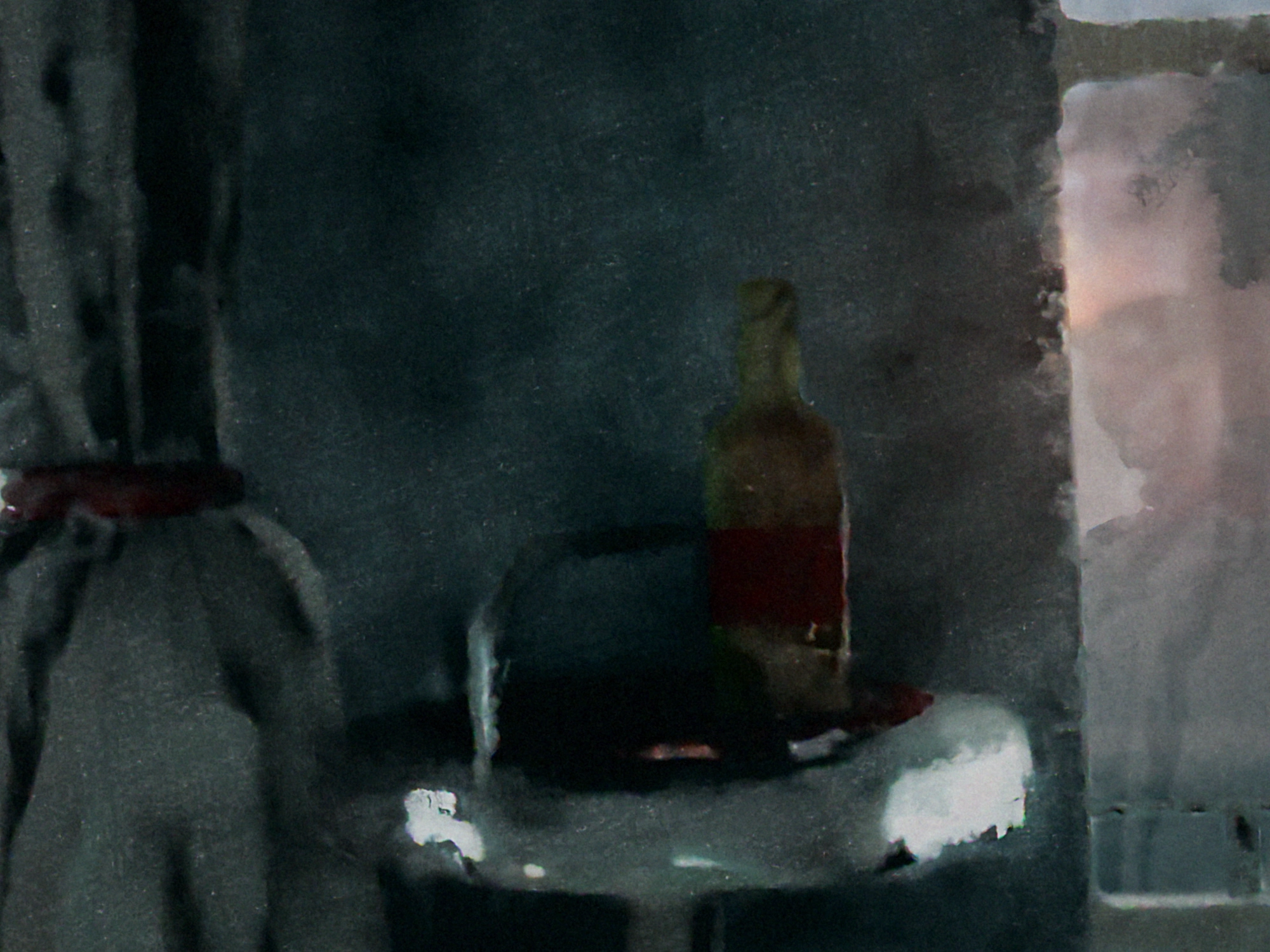
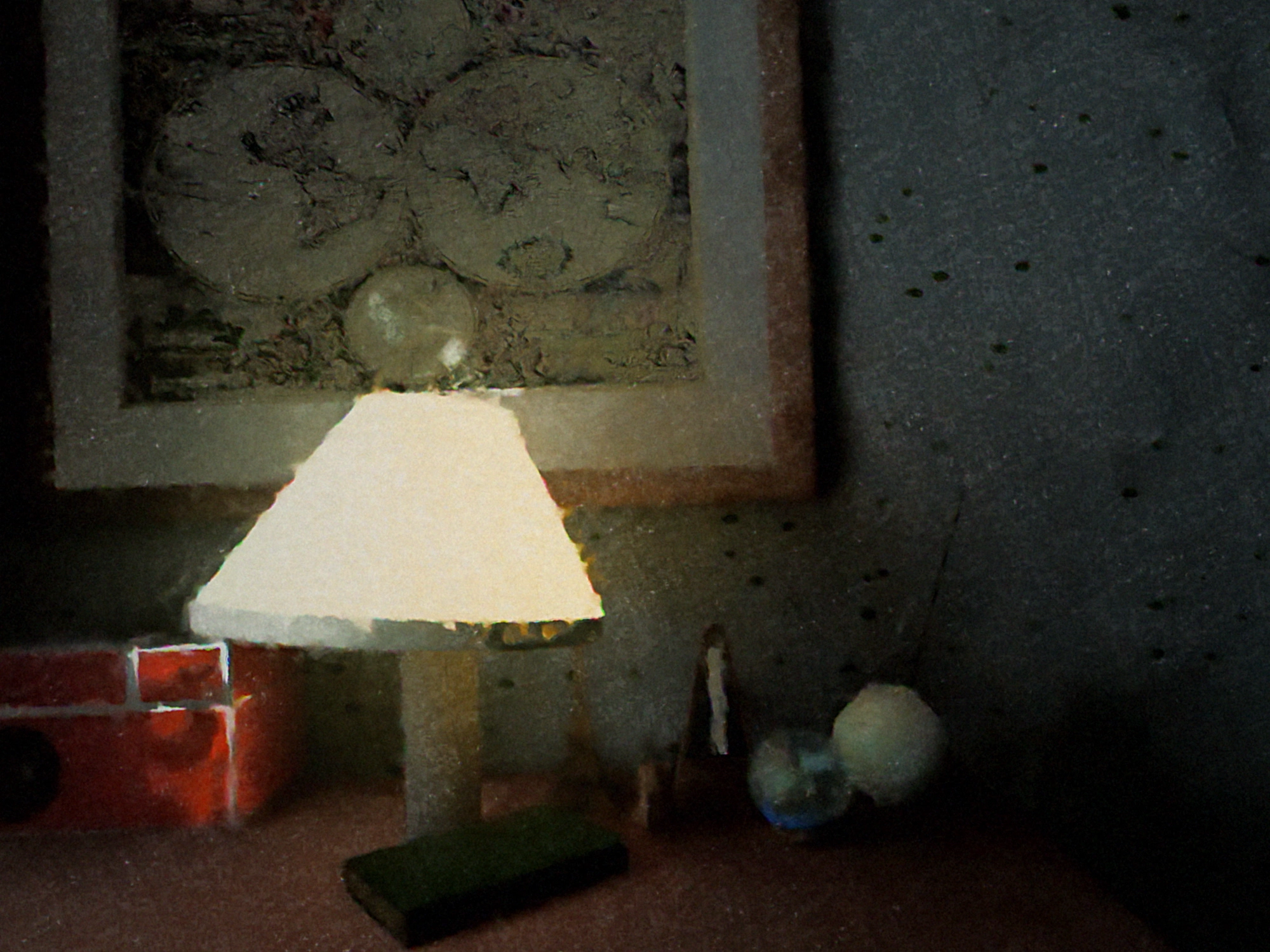
A previous project, Heaven, won the AI International Film Festival in 2022, but in response to the
direction
machine learning has taken, we've vowed to restrict AI to preprocessing data. Its use is limited to material
extraction and matte extraction. All animation and stylizations are done by people. AI is not used for asset
generation, image, video, or audio rendering, or any other creative process.
This method of animation wouldn't have been possible a few years ago, but there's no substitute for just going
frame by frame and painting what you can. At the end of the day, the costume and physical props were the
foundations for the rotoscoping.
WHO WE ARE
Composer's Thoughts
One day, digging around my parents garage, I found two books that were read to me as a kid: “La Isla” and “The Secret Footprints”. I'd completely forgotten about them, but the more pages I turned the more memories came back; ripped and worn pages, the precious fragile colors and images that seemed to be drawn in with crayon, smudges where my mom licked her fingers to turn the page…
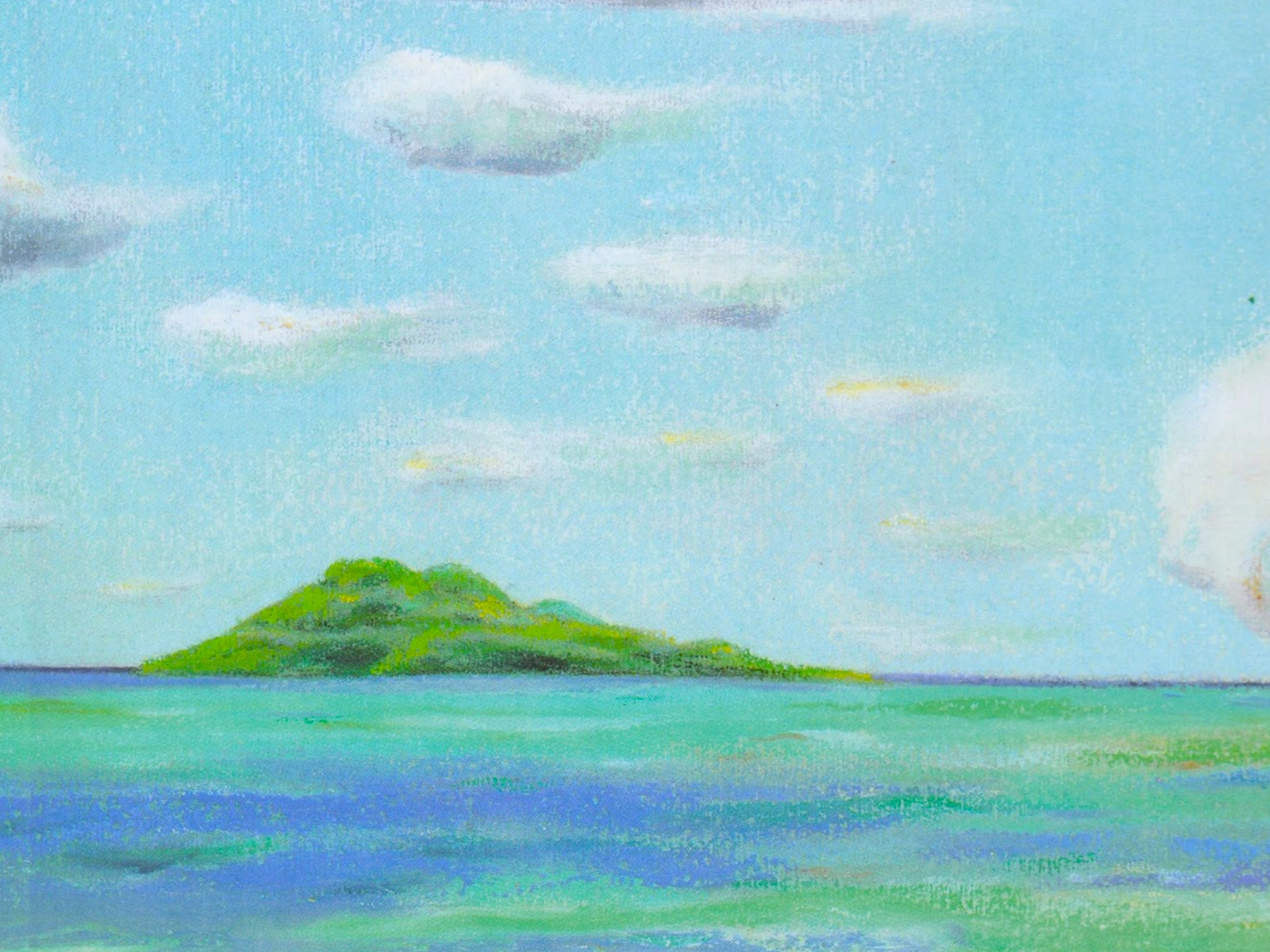
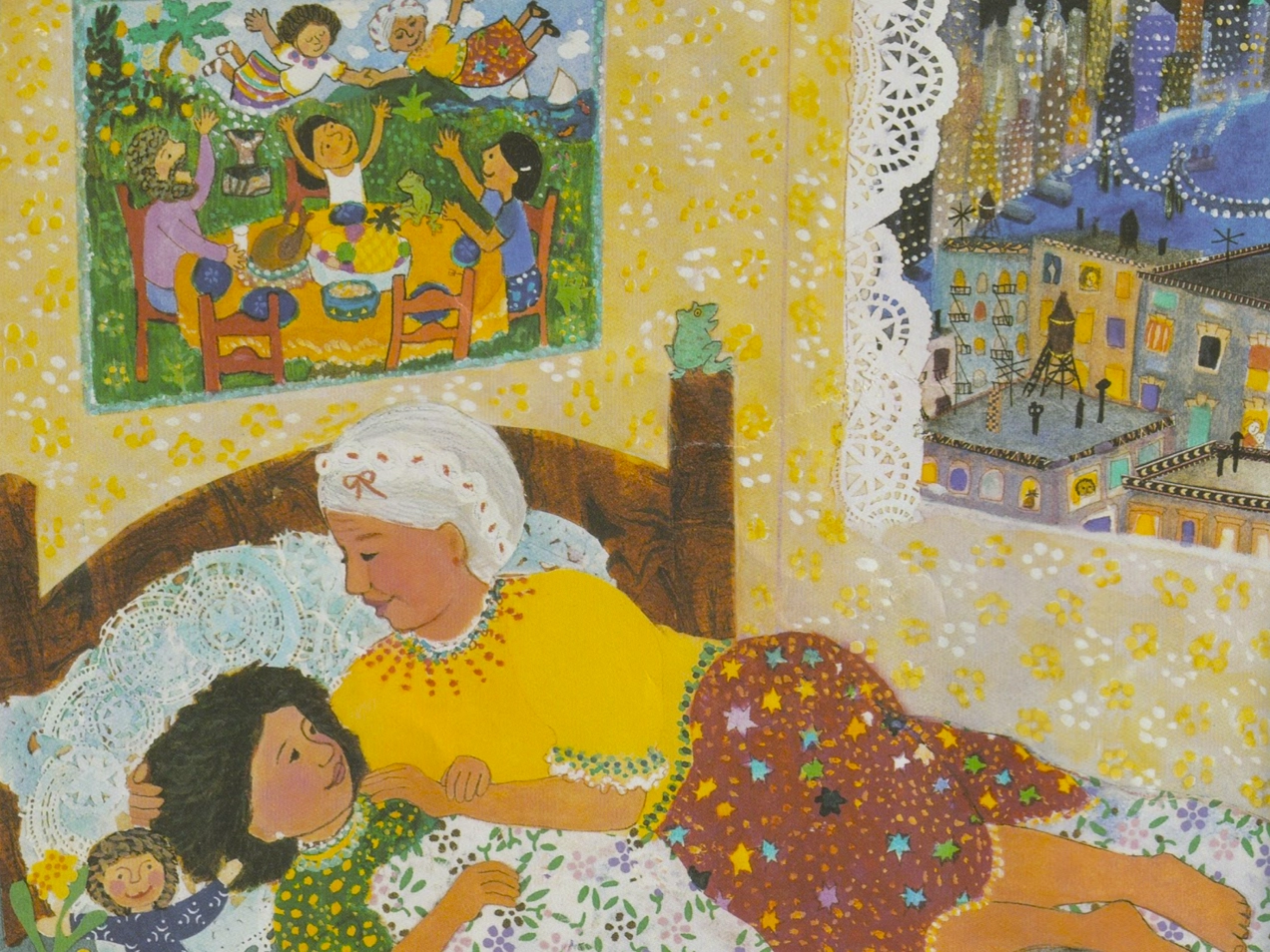
Images from "The Secret Footprints" (left) and "La Isla" (right). Illustrations by Fabian Negrin and Elisa Kleven.
I'd been back to Puerto Rico more than a few times, but now these books somehow seemed more real than the
island itself. Kai and I had already been discussing a mutual fascination in exploring our estranged
relationship with our cultural heritage, and what better way to do that than interpreting the children's books
that were the literal vessels of preservation for the new generations living off the island… These books went
on to become the basis of how we stylized this film.
My exposure to immersive technologies in my PhD program has given my film composer brain a renewed excitement
in translating images and colors to sound, and the trust that Kai and I have built in each other has allowed
him to build image and color from my sound. Subtly, I find myself trying to rebuild the very special
experience of hearing “La Isla” while sitting on my moms lap as a kid. She reads to me, and my
imagination is
transported to an island very far away.
- Myles
Kai
Tattersall
Director/Writer/Animator:
Kai Tattersall is a Japanese-English-American director and visual artist whose work blends live-action
performance with stylized animation across film, immersive media, and installation. He has created films for
streaming, theater, installations, VR, and IMAX which have been exhibited in Europe, Asia, and North America
at festivals and galleries. Born on
the Okinawan islands in Japan, Tattersall developed an early interest in 2D animation. Throughout his
career, he collaborated with animation pioneer Mike Patterson, developing
a rotoscope animation approach
that integrates traditional techniques with novel digital tools. This approach led to projects for clients
including Disney, Paramount, CNN, Hulu, and The Academy. Before commercial
AI, Tattersall began incorporating
open-source AI into his production workflow. This experimentation led to HEAVEN (2022), a hybrid
live-action
and animated project that premiered internationally and won Best Animated Short and Best Art Direction at
the AI International Film Festival. Following the film's completion,
Tattersall established 2000blue, an
animation studio focused on mixed-media animation dedicated to removing AI from all creative roles.
Currently,
2000blue serves as the lead animation team for an undisclosed Tubi documentary, an independent feature and
immersive experience for titled THE MONTH BETWEEN APRIL AND MAY, and a limited series, MIKO WAS
HERE.
Myles Ortiz-Green
Composer/Producer:
Myles Ortiz-Green is a multidisciplinary artist, composer, and performer based in San Diego, California,
whose work spans film, experimental performance, multimedia installation, and spatial audio. They perform
regularly with the San Diego arts and community organization Future Is Color, and have collaborated with
King Britt and Suzi Analogue at the
TOPOS Music Festival at EMPAC, a performance later covered by The Wire review. Their work has been presented at Earl Gallery, Still/Moving, and Friedman Gallery, including
performances exploring Black experimentalism and Afrofuturism alongside Joy
Guidry. In 2025, they held a residency with Meyer Sound. Ortiz-Green pioneered the Beats by Dre “Inaugural Black Future Creator
Program” in 2020 and 2021 as an in-house composer, with their film scores receiving selections and
nominations from festivals including the Atlanta Horror Film Festival, San Francisco Short Festival, and the DGA Student Film Awards
. Their film work has screened internationally, and earlier this year a new composition
premiered with red fish blue fish under Steven Schick, with a forthcoming presentation at
the New York City Electroacoustic Music Festival. Ortiz-Green is a graduate of Tulane University, an alumnus of the POSSE scholarship
program, and they are currently pursuing a PhD in Computer Music and Composition at the University of
California San Diego under King Britt.
Swati Shetty
Producer:
Swati Shetty is a Los Angeles based producer and former studio executive focused on globally resonant film
and television. She is the co-founder of Bridge7, an IP-driven production company developing stories that
connect cultures and audiences across borders. She produced the audience favorite Netflix romantic comedy
Wedding Season, and Umrika, which won India's first Sundance award in 2015 along with multiple
international
honors. Bridge7 is currently developing the television sequel to Slumdog Millionaire, alongside a
slate of
film and television projects. Prior to launching Bridge7, Swati held executive roles at The Walt Disney
Company India, Netflix, and Imagine Entertainment, working across studio production, Originals, and
global
acquisitions.
Mike Patterson
Creative Advisor:
Michael Patterson is a director, designer and animation artist working in visual music and immersive design.
His animated film Commuter, along with 7 Patterson + Reckinger music videos, are in The Museum of Modern
Art's permanent collection. He is currently a professor in the School of Cinematic Arts at the
University of
Southern California. After graduate studies at CalArts with artist Jules Engel, Mike was brought to the
attention of record
executives with his Student Academy Award-winning animated short
Commuter. Employing his unmistakable
drawing style, he began his career in music videos in 1985 by animating the epic MTV hit Take on Me for
A-Ha. Teaming up with his wife Candace Reckinger, they directed a string of MTV hits that include, Suzanne
Vega's Luka, Sting's Be Still My Beating Heart and Opposites Attract featuring Paula Abdul and MC Skat
Kat,
which won the Grammy Award for Best Music Video in 1990. Their videos have
received MTV, Billboard, MVPA,
and American Music Awards.
WHERE IT'S GOING
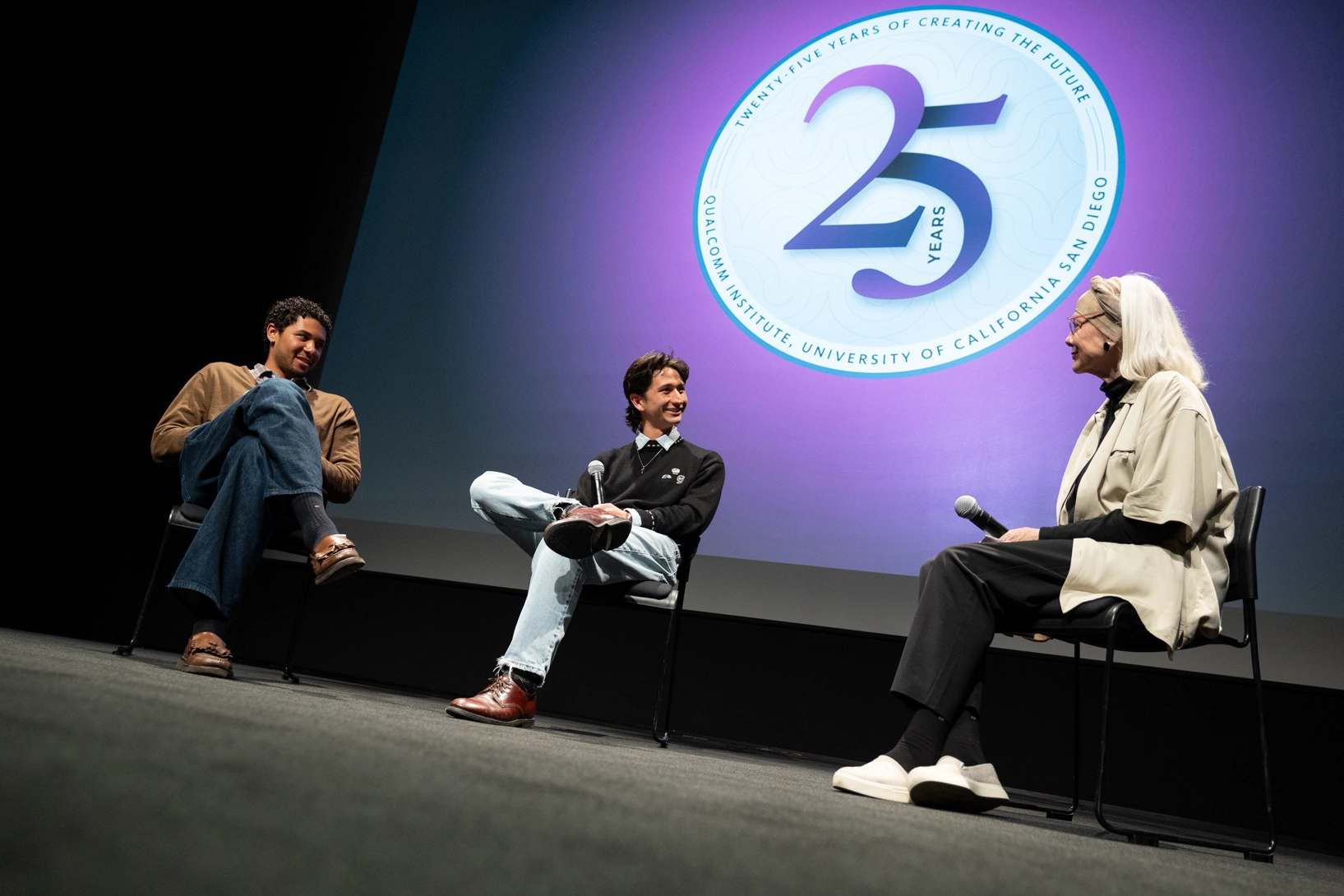
Myles, Kai, and Anne-Marie
We will complete the film by February 2027 in order to make the next season of film festivals, with plans to
submit to Cannes, Venice, Sundance, and Annecy
Due to the intersection of disciplines rotoscope offers, we're looking to partner with organizations in both
theater and animation.
In addition, the film is supported by state of the art spatial audio setups (32-speaker arrays) and immersive
theaters (wrap around video). Expanding on our collaboration with Meyers and Qualcomm, we're looking to
further
partner with organizations looking to showcase immersive technology.
Currently we are in post production. The film is slated to be 70 minutes.
WHY THIS?
The primary audience for this film is diasporic communities - particularly individuals who, like us, navigate identities shaped by displacement, migration, and cultural hybridity. As a Black and Puerto Rican artist and a Japanese artist from Okinawa, we are directly speaking to people who understand the emotional complexity of feeling both connected to and distanced from their cultural roots. The film centers the experience of cultural limbo and the ongoing process of reconnecting with heritage, making it especially resonant for first- and second-generation individuals, as well as broader audiences who have experienced forms of geographic or cultural separation.
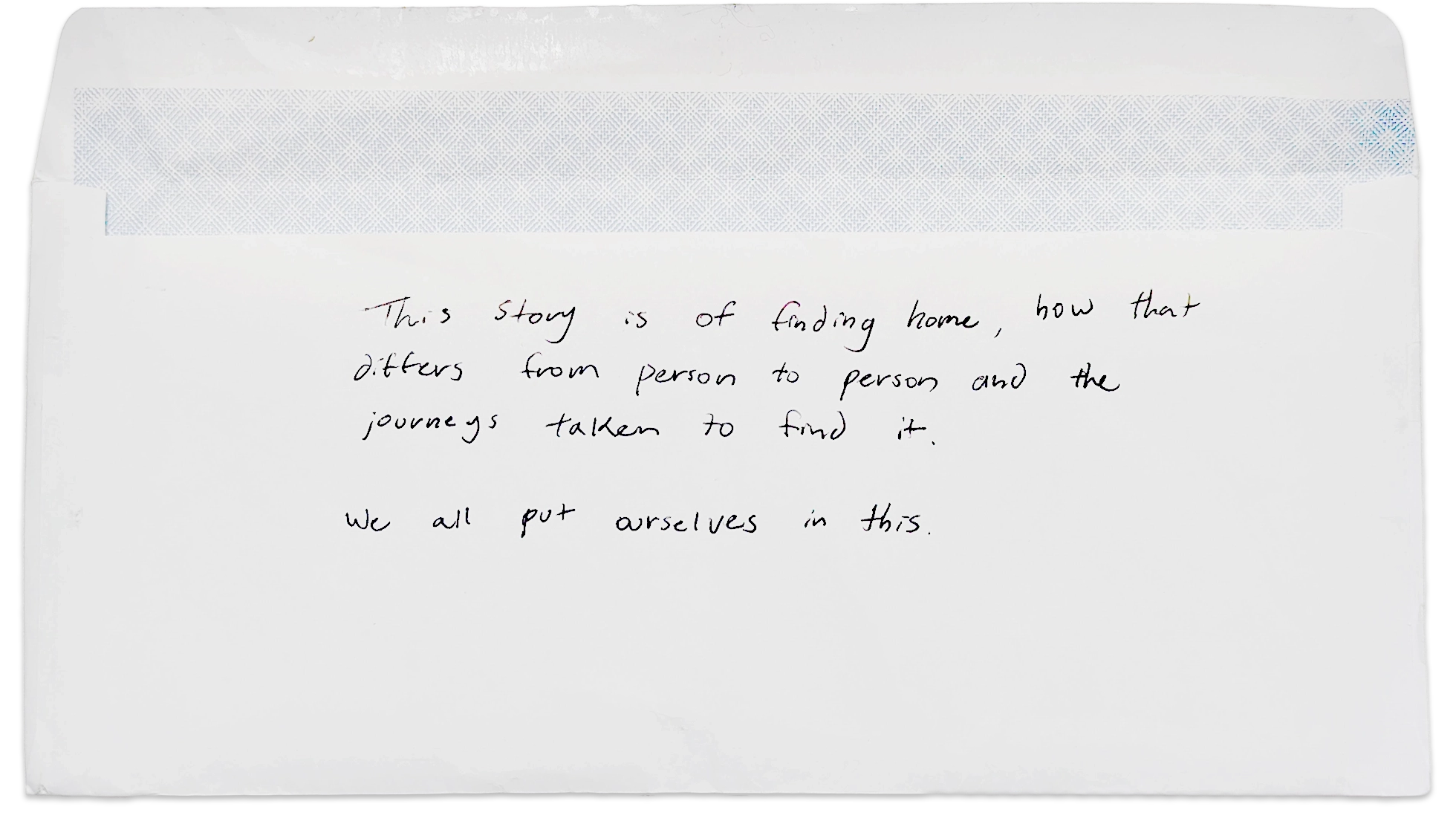
READ THE SCRIPT
Open in another tabWATCH THE EVENT RECORDING
Cutdown
Full Recording
GET INVOLVED
Email production@2000blue.com to get involved.